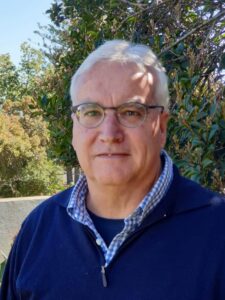
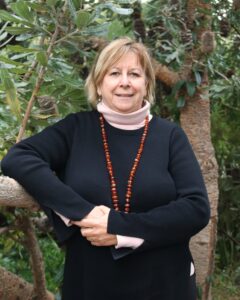
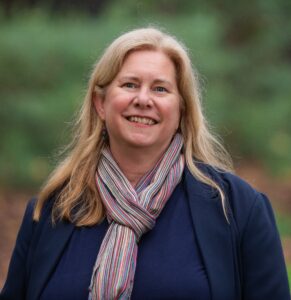
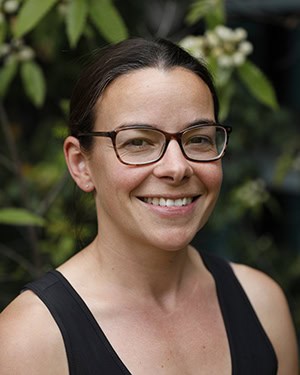
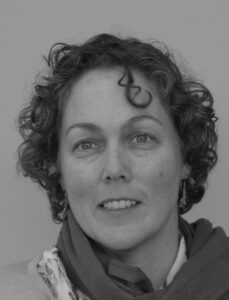
President – Prof Caroline Gross  Caroline has 38 years’ experience with studying the reproductive ecology of Australian native plants and introduced species. She has a PhD in Plant Ecology from Flinders University (1990). Her research interests include plant reproductive ecology as applied to conservation and restoration covering; ecology, pollination, threatened species ecology and management, endangered ecological communities, systematics, impact assessment, invasive species, plant reproductive ecology, extinction risk, field assessments, genetic assessments, seed bank ecology, habitat condition and ecosystem restoration. In Australia she has conducted research in arid, semi-arid, temperate, cool temperate, sub-tropical and tropical ecosystems with further research being undertaken in Bhutan, Borneo, Tanzania and Hawaii. Caroline is a Professor Emerita in Ecosystem Management at the University of New England, currently Deputy Chair of the NSW Threatened Species Scientific Committee and a long-term Associate Editor for Austral Ecology.
|
Vice President – Dr Melissa Millar
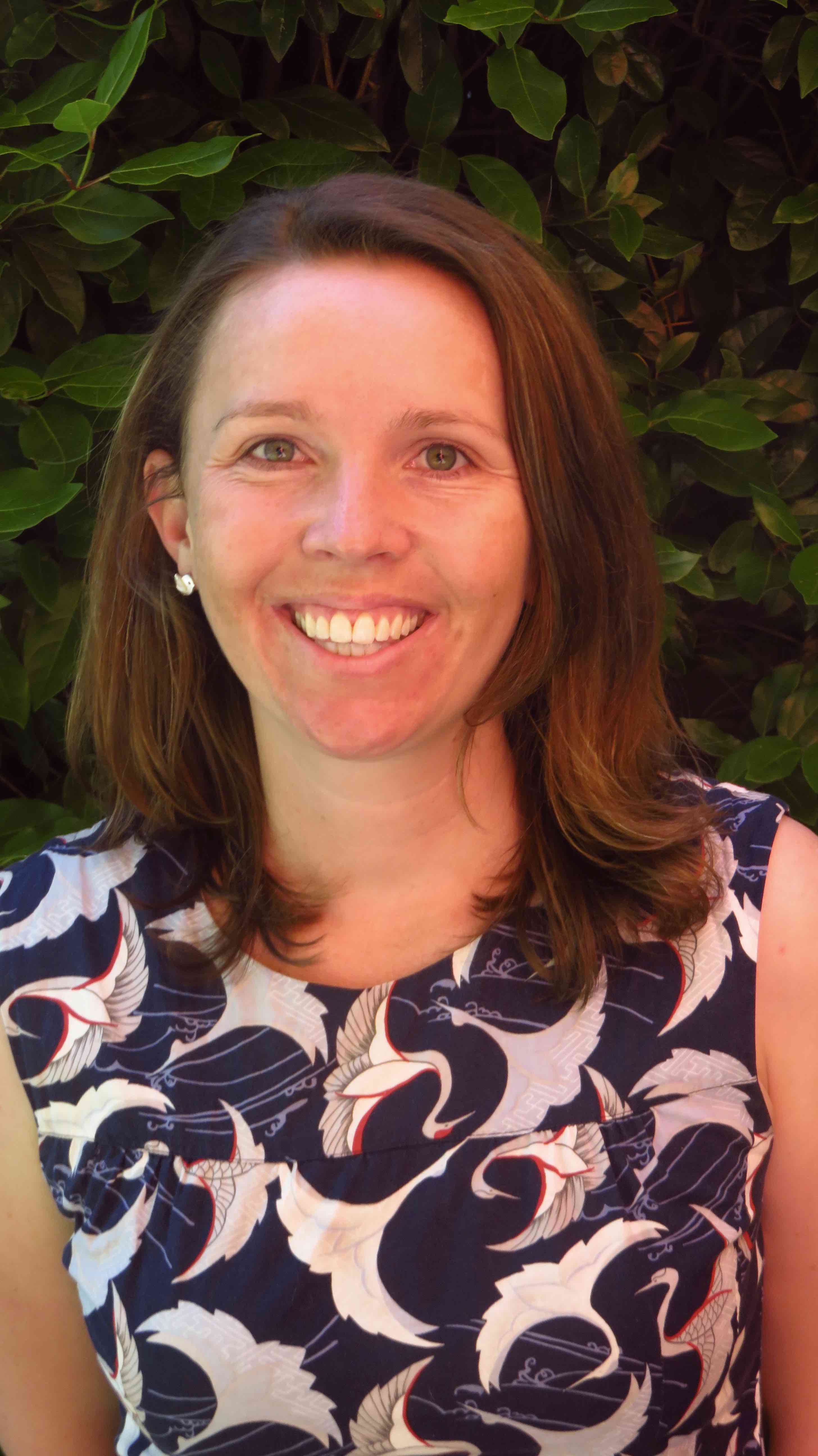
Melissa has worked as a Research Scientist with the Plant Science and Herbarium Program of the Western Australian Department of Biodiversity, Conservation and Attractions conducting research that contributes to the circumscription, conservation and management of Western Australian flora. Melissa’s research utilises a range of molecular genetic techniques to examine the evolutionary processes that maintain genetic diversity and shape patterns of genetic structure in native taxa. Her work contributes to understanding long term evolutionary influences on the persistence and phylogeographic structure of native taxa as well as the effects of current anthropogenic disturbances such as fragmentation and the requirements for successful long-term restoration. |
Secretary – Dr Susan Hoebee
Susan is a Senior Lecturer in Plant Conservation Genetics at La Trobe University, specialising in ecological genetics, plant reproduction, and conservation biology. She is a respected researcher with a strong emphasis on native Australian species conservation, which extends into applications for weed management. She leads a dynamic research group that employs a range of techniques—from traditional field-based ecological studies and floral morphology to advanced genomic sequencing—to investigate the genetic and ecological mechanisms underlying plant mating systems and biodiversity. Her current lab includes graduate students working on diverse topics such as threatened species genomics, pollination biology, plant-soil specialists, and invasive species dynamics. Her work bridges academic research and practical conservation, collaborating with government agencies, NGOs, land managers, and community groups across Australia. |
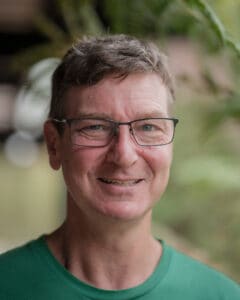
Treasurer – Daniel McKinnon Daniel is a certified practicing accountant with an interest in nature generally, and revegetation in particular. He has a background in commercial management of knowledge-economy businesses, and is the Principal and Managing Director of Great South Coast Migration. Daniel is a Fellow of CPA Australia (FCPA) and has undergraduate degrees from Monash University and the University of Melbourne, and post-graduate qualifications in business from RMIT and in migration law from Victoria University. He has an extensive background in NGO fundraising and financial management. Daniel is a certified practicing accountant with an interest in nature generally, and revegetation in particular. He has a background in commercial management of knowledge-economy businesses, and is the Principal and Managing Director of Great South Coast Migration. Daniel is a Fellow of CPA Australia (FCPA) and has undergraduate degrees from Monash University and the University of Melbourne, and post-graduate qualifications in business from RMIT and in migration law from Victoria University. He has an extensive background in NGO fundraising and financial management.
|
Committee members |
Dr Tony Auld
Tony has worked in plant conservation for over 30 years, both in NSW Government (as a Senior Principal Research Scientist) and with universities (as a Professorial Fellow at UNSW and WSU). His particular interest is understanding how a range of threats (including for example changed fire regimes, grazing by introduced species and climate change) are impacting on the conservation of plant species and their habitats across a range of ecosystems from arid to coastal to offshore islands. He has been involved in how best to mitigate these threats on the ground in management and to develop policies that allow ongoing plant and animal conservation. Tony has also had a focus on extinction risk assessment and the conservation of threatened plants and ecological communities along with the development and implementation of protection of areas that are very important for biodiversity conservation (e.g. refugia, best remaining representative of an ecosystem, key sites for conservation of multiple threatened species). Tony is a past ANPC President from 2020 to 2024. |
Dr Linda Broadhurst Linda retired as Director of the Australian National Herbarium in Canberra, one of CSIRO’s six major research collections in 2022. She is now an Honorary Research Fellow at CSIRO where her interests improving genetic quality of plant populations and the seed that these produce as well as understanding invasive species pathways. Linda is a past ANPC President from 2016 to 2019. Linda retired as Director of the Australian National Herbarium in Canberra, one of CSIRO’s six major research collections in 2022. She is now an Honorary Research Fellow at CSIRO where her interests improving genetic quality of plant populations and the seed that these produce as well as understanding invasive species pathways. Linda is a past ANPC President from 2016 to 2019.
|
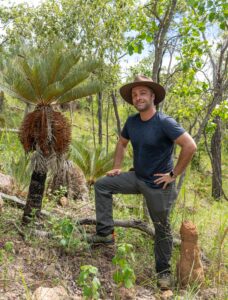
Dr James Clugston James is a conservation and molecular biologist with extensive experience in genomics, systematics and applied plant conservation. His research integrates fieldwork, herbarium collections, and genomic tools to inform species delimitation, threat assessments, and recovery strategies, particularly for threatened plant groups such as cycads, palms and legumes. He has led collaborative, grant-funded projects that directly support conservation outcomes and policy. He is particularly interested in contributing to plant conservation by strengthening the research-to-practice pipeline, ensuring scientific insights are translated into actionable strategies. He is also passionate about science communication, mentoring and capacity-building. |
Dr David Coates
David is currently a Research Associate in the WA Department of Biodiversity, Conservation and Attractions and adjunct Professor at the University of Western Australia and Murdoch University. He has broad interests in plant conservation and is currently involved in a range of research and conservation projects covering threatened plant species, restoration genetics and ecological restoration, evolutionary biology and managing threats such as habitat fragmentation and Phytophthora dieback. Major recent projects include an Australian Research Council funded study investigating the ecological and genetic success of recent restoration activities carried out as part of the Gondwana Link initiative in south-west Western Australia, and an IUCN Conservation Genetics Specialist Group study on genetic diversity loss in 700 plus species globally and conservation actions that ameliorate that loss. David is a past ANPC President from 2012 to 2015. |
Dr Chantelle DoyleChantelle works with the UNSW in threatened rare and endemic plant research, leading research projects into fundamental plant ecology, breeding systems and germination. Recently I have taken on a student supervision role and am excited to help engage young researchers as well as help practitioners achieve plant conservation aims. |
Dr Kathy EylesKathy is the National Coordinator of the Australian Seed Bank Partnership – a national collaboration of conservation seedbanks and plant conservation organisations focused on ex situ seed collecting, banking and research to support conservation and recovery of our native flora. She is interested in how we can collaborate as a sector to advocate for plant conservation. She has over 30 years’ experience working at all levels of government as well as community-based not-for-profit environmental organisations, working closely with a range of stakeholders to develop biodiversity policy and deliver programs and projects, including environmental NGO’s, regional NRM bodies and Indigenous communities. Her qualifications are in land economics, human ecology, environmental science and law and is a member of the Planning Institute of Australia (PIA) and AABR. Outside of work she is a volunteer bush regenerator and Convenor of the Mt Taylor Nature Reserve Parkcare Group, as well as an active member of local conservation organisations including the Southern ACT Catchment Group and Landcare ACT. |
 Andrew Fairney Andrew Fairney
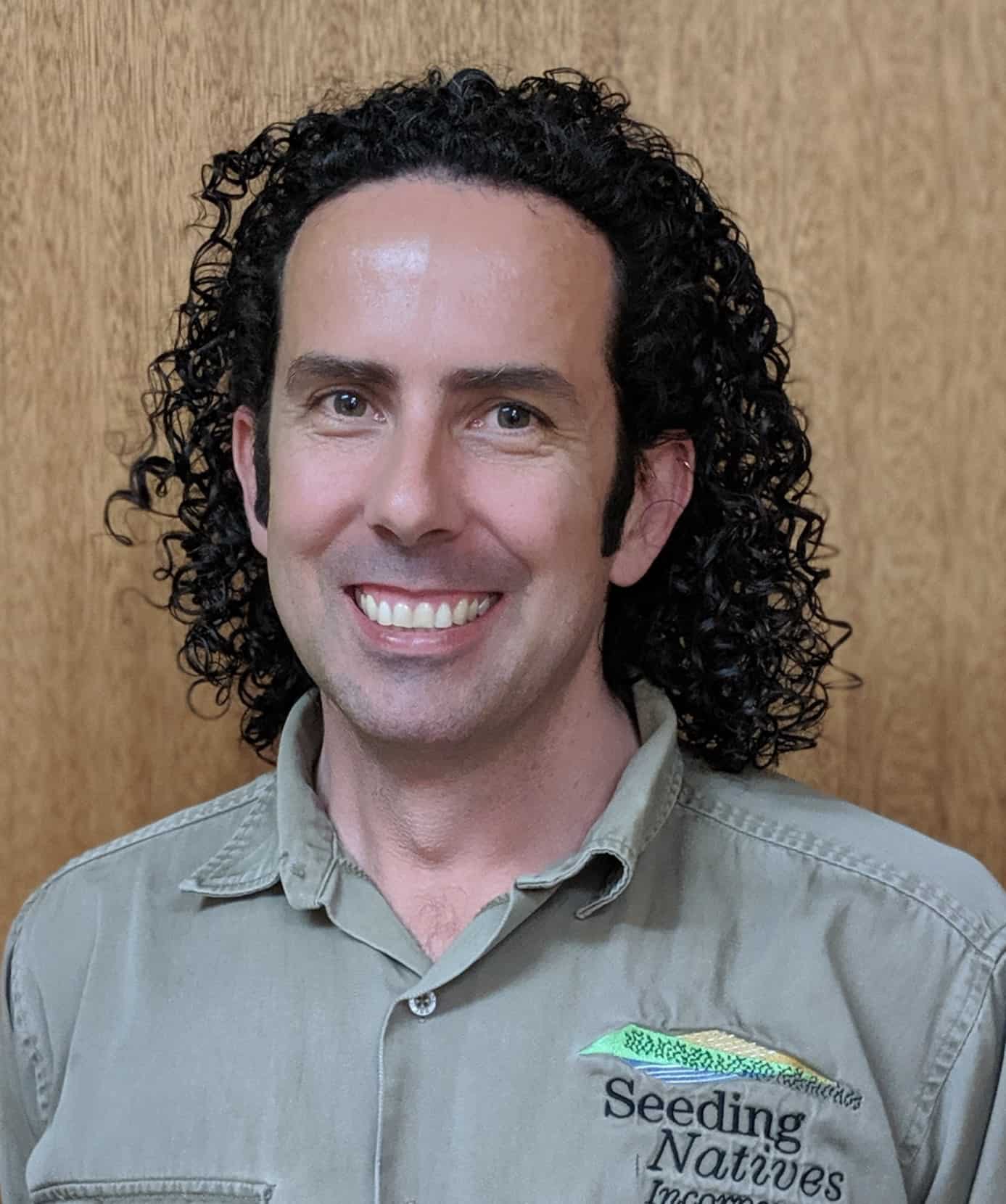
Andrew is the founder and CEO of Seeding Natives Incorporated. This environmental charity specialises in ecological restoration of native grasslands and associated ecosystems from the ground up. Seeding Natives aims to save threatened flora and fauna from extinction, particularly in Adelaide and the Mounty Lofty Ranges. Andrew was previously a landscape gardener specialising in native gardens. He then studied environmental science and management at the University of South Australia and has spent the last decade focusing on restoration and rehabilitation of diverse native grasslands. |
Dr Kelli Gowland  Kelli has worked in plant science for more than two decades and is a passionate advocate for conservation. Her research career included investigations into alpine zone buttercups and the maintenance of species boundaries, how plants respond to a changing climate and how these characteristics are passed down through generations. For her PhD, she investigated the relationships between three of Australia’s epiphytic orchids, their host substrate and mycorrhizhal fungi. More recently, she has facilitated Australia’s contribution to the Global Tree Assessment for the IUCN Red List with the Botanic Gardens Conservation International and currently works in environmental regulation. |
Katherine ThomsonKatherine has worked for the Botanic Gardens of Sydney in the seedbank and conservation collections team for 10 years. She has a Bachelor of Science (Honours) in native plant – mycorrhiza interaction and a strong interest in native plant conservation through ex situ seed conservation and germination research. |
Dr Heidi ZimmerHeidi is an ecologist, botanist and apprentice taxonomist whose work spans threatened species ecology, translocation and the role of taxonomy in guiding conservation practice. She completed her doctoral research on the iconic Wollemi pine, including experimental translocation studies. She has also worked in critically endangered native grassland ecosystems (e.g., forb responses to grazing and rest-management in Victorian native grasslands) and on extinction-risk assessment for Australian threatened flora. At the Australian National Herbarium she now works on orchid taxonomy and conservation, linking specimen-based research with on-ground threat mitigation and recovery planning. |
Outreach Delegates |
Ass Prof. Paul Adam Paul is a botanist, plant geographer and ecologist, and received his PhD from Cambridge University. He holds a senior academic position with the University of New South Wales, and was awarded honorary membership in the general division of the Order of Australia in recognition of his contributions to science, biodiversity conservation and science education. He is a Fellow of the Royal Zoological Society of New South Wales and received the Gold Medal of the Ecological Society of Australia. Paul has particular research interests in wetlands and rainforest. |
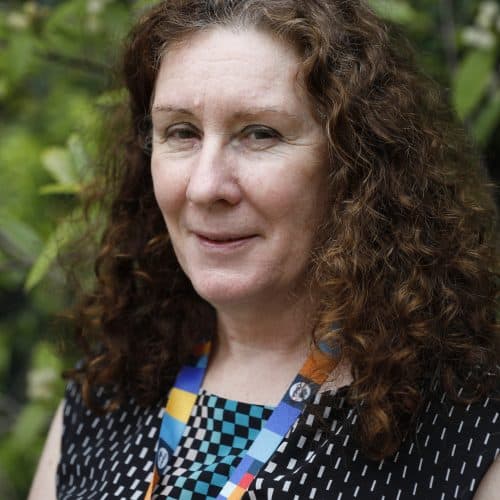
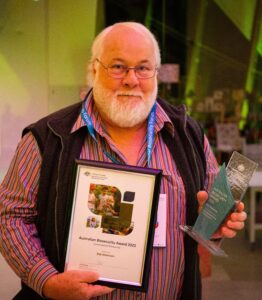
 Bob Makinson Bob Makinson
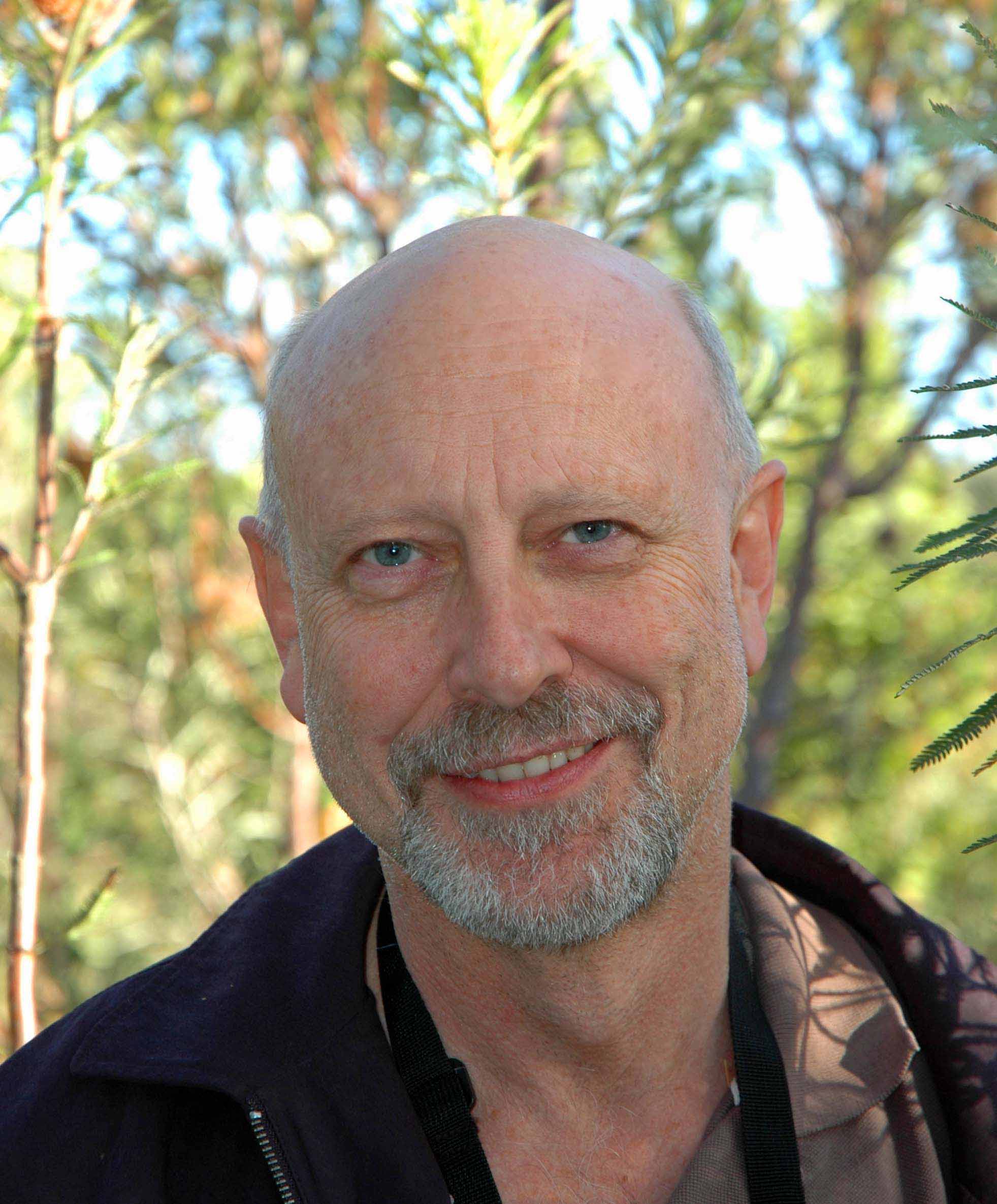
Bob is a plant taxonomist and conservation botanist. He spent 35 years in State (NSW) and Commonwealth plant science institutions, but is now de-institutionalised. He is a former vice-president and president (2007‒11) of ANPC, of which he has been a member since 1991 and a Life Member since 2012. His taxonomic research groups included Grevillea (in the Proteaceae family), and various genera in other families. He was Australian Botanical Liaison Officer at Royal Botanic Gardens, Kew UK, in 1995‒96, and was Curator of the Australian National Herbarium 1993‒2001. He has worked on threatened species and threatening processes throughout his career. Since 2010, he has had a major focus on the introduced plant disease Myrtle Rust, conducting awareness-raising and training on behalf of ANPC/PCA. |
Martin Driver |
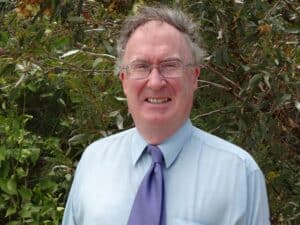
 Daniel is a certified practicing accountant with an interest in nature generally, and revegetation in particular. He has a background in commercial management of knowledge-economy businesses, and is the Principal and Managing Director of Great South Coast Migration. Daniel is a Fellow of CPA Australia (FCPA) and has undergraduate degrees from Monash University and the University of Melbourne, and post-graduate qualifications in business from RMIT and in migration law from Victoria University.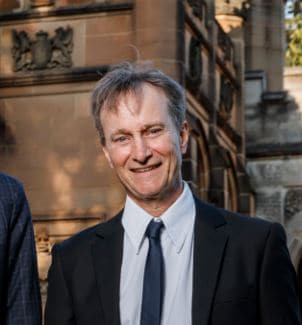
 Bob Makinson