Plant Conservation Australia
The national network that links people, research and action in plant conservation
Latest News
Free conference recordings
The recordings from our 13th Australasian Plant Conservation Conference are now available to everyone. We held this event online and in Albury NSW in April 2022 with the overarching theme ‘Seeds to recovery’. Delegates have had access to the recordings for the past 12 months and we are now sharing...
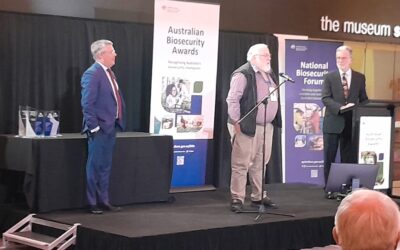
Australian Biosecurity Award
We’d love to congratulate Bob Makinson who has received a 2022 Australian Biosecurity Award in the Environmental Biosecurity Category. Bob has been instrumental in galvanising attention and action for the introduced plant disease myrtle rust (Austropuccinia psidii). He has used his botanical and...
National Volunteer Week
The 15-21 May was National Volunteer Week. We’d like to give a huge shout out to everyone who volunteers for the ANPC! From helping in the office to providing expert advice at our committee meetings, thank you to all our volunteers this National Volunteer Week and every other week you generously...
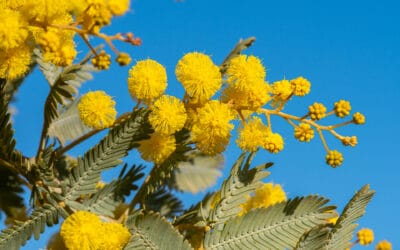
POSITION VACANT: ANPC Communications Manager, Canberra
The Australian Network for Plant Conservation is looking for an enthusiastic person with excellent communication skills and a demonstrated interest in plants and the environment, to fill our Communications Manager position. You will work closely with our Business Manager at the ANPC's national...
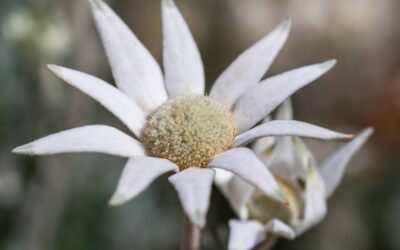
POSITION VACANT: ANPC Project Manager, Queensland
Are you an experienced project manager with knowledge of plant conservation? The ANPC is looking for a Queensland Project Manager to coordinate the Queensland Threatened Plant Network. This new position will be responsible for identifying and developing a network of Queensland plant conservation...
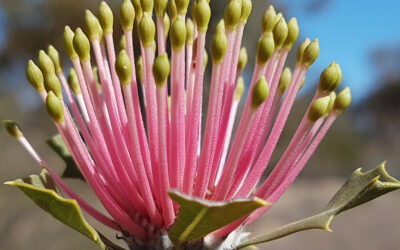
New resource
The ANPC has just published a new resource page on our website with information about conservation of exotic, economic and ornamental plants. For the most part, the work of the ANPC focuses on the conservation of Australian native plant species and ecosystems. But we also recognise and value work,...
Events
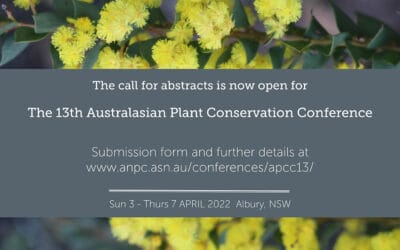
APCC13
The 13th Australasian Plant Conservation Conference is to be held in Albury, NSW from Sunday 3 - Thursday 7 April 2022. This is the premier event in Australia to discuss native plant conservation issues. The overall theme is ‘Seeds to recovery’. The call for abstracts is currently open. We are seeking abstracts for both presentations and posters which fit within one of the 4 sub-themes: Seeds...
Notice of ANPC Annual General Meeting 2021
The Annual General Meeting of the Australian Network for Plant Conservation Inc. (ANPC) will be held on Wednesday 17 November 2021, from 1:00 pm to 2:00 pm (Australian Eastern Daylight Saving Time) via Zoom. All current ANPC members are encouraged to attend in a voting capacity to ensure we reach a quorum, and to hear about what the ANPC has achieved over the last year. This includes individual...
BCARM Plant Forum
On Thursday 11 October 2021 Amelia Martyn Yenson has been invited to speak at BGANZ Collections and Records Management Group’s online workshop. Make sure you save the date in your calendar to hear about the recently released Germplasm Guidelines in this free webinar.
What We Do
Network
Plant Conservation Australia links you to others active in plant conservation through this website and ANPC News.
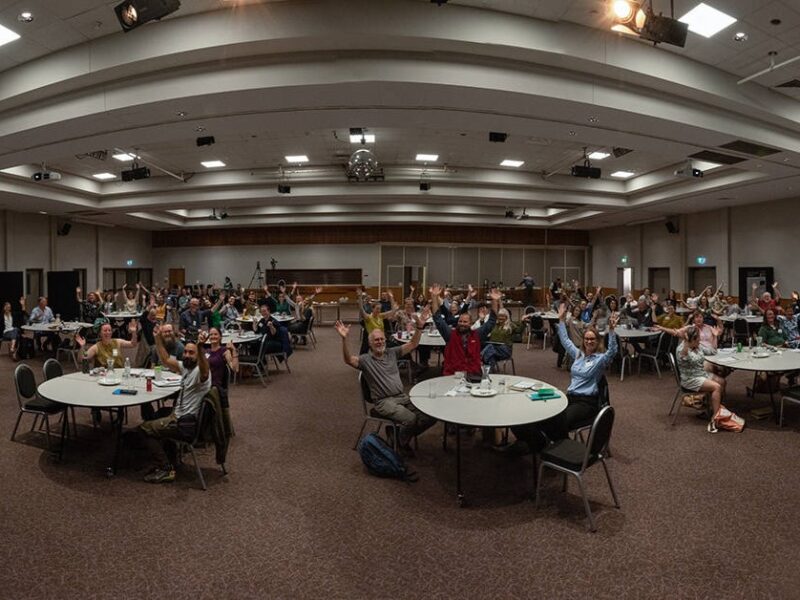
Events
Plant Conservation Australia is a forum for the exchange of information and ideas.
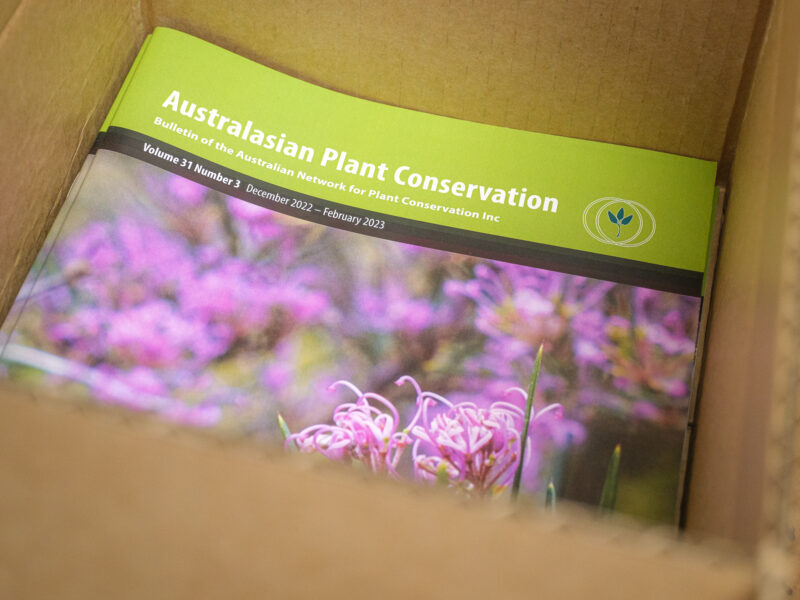
Publications
Plant Conservation Australia publishes findings from current research and on-ground practice in the quarterly bulletin Australasian Plant Conservation.
We also publish plant conservation techniques and guidelines. Click here to see them.
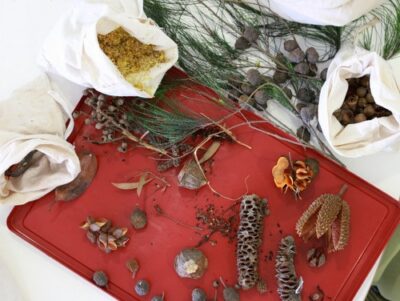
Education
Plant Conservation Australia holds workshops and courses in conservation and rehabilitation techniques.
Our website is a great resource for information on plant conservation. See more at our resources page.
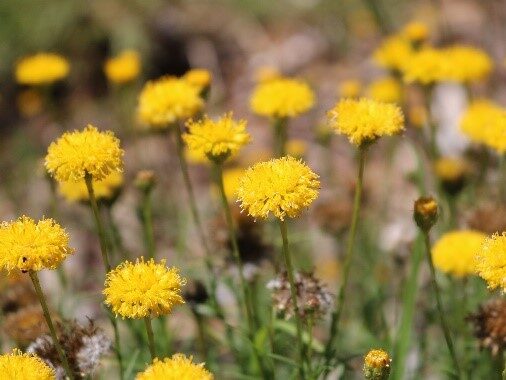
Ecology
Plant Conservation Australia promotes an ecological focus in on-ground conservation, rehabilitation and management of remnant vegetation, threatened plants and ecological communities.
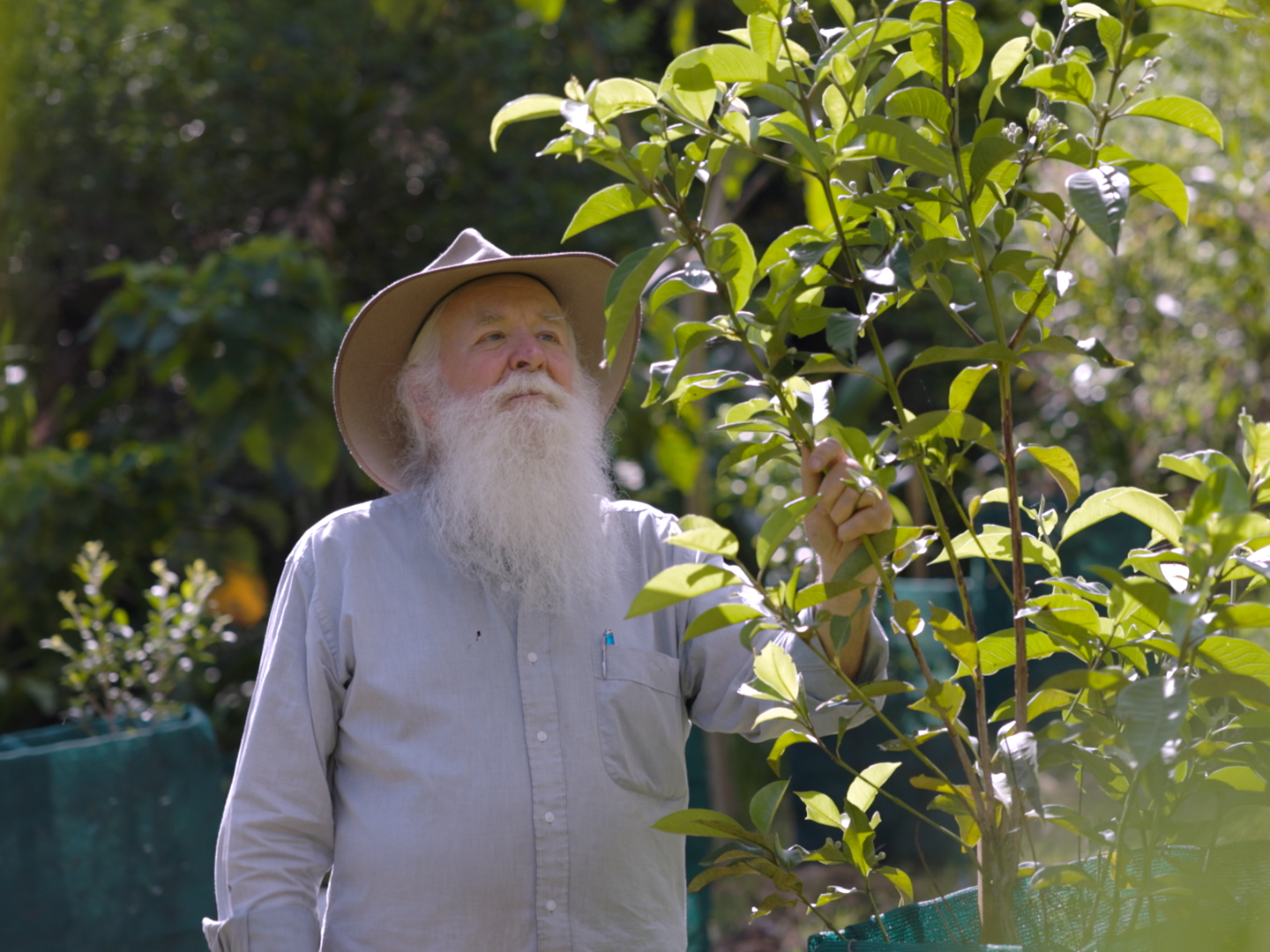
Action
Plant Conservation Australia leads and collaborates on projects for the conservation of Australia’s flora.
Help Us Grow!
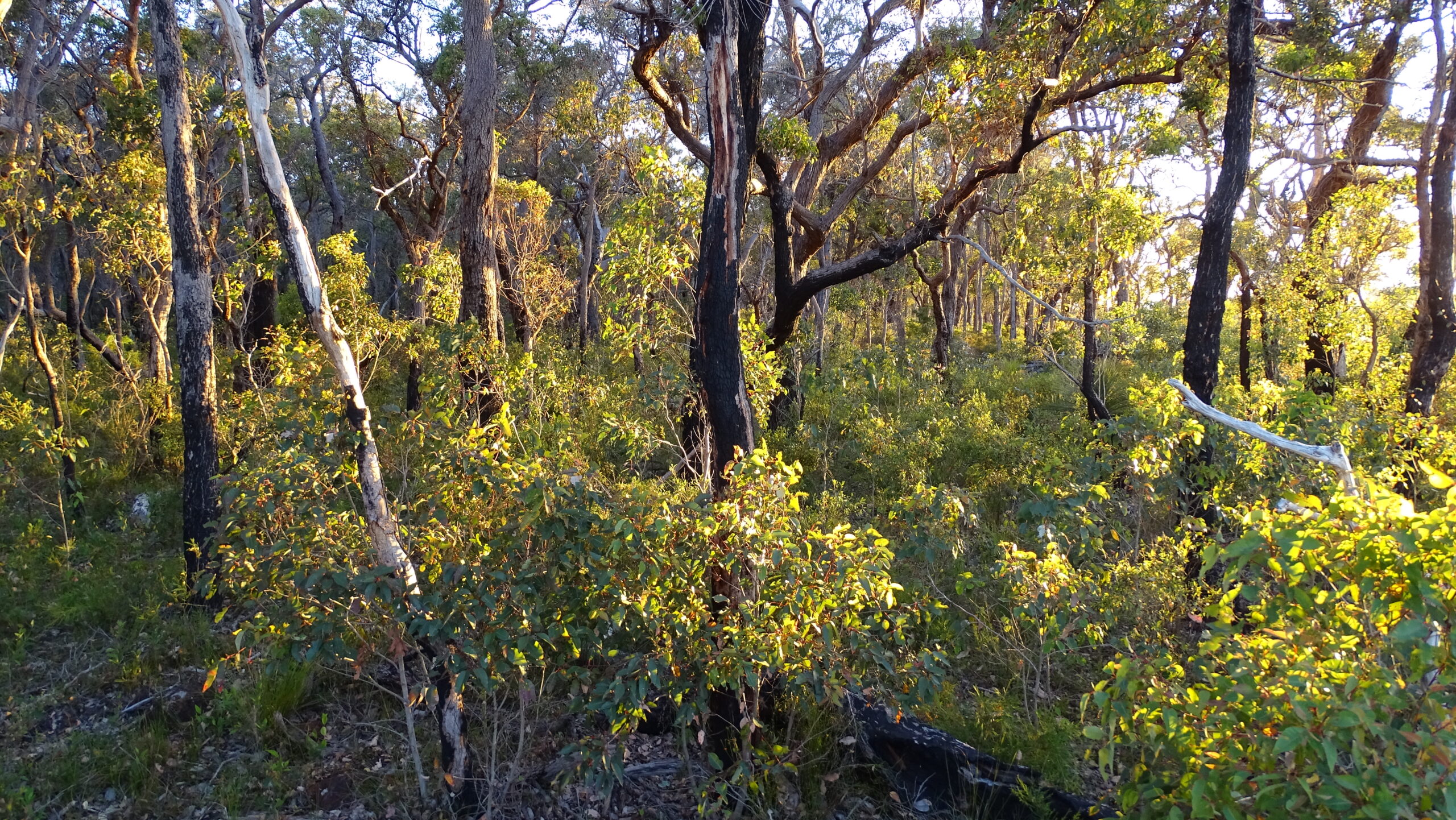
Many of Australia’s native plants are threatened, more so since the Black Summer fires, and we need your help to promote and improve their conservation.
Donate to Plant Conservation Australia today and support our projects and networks of people working to conserve our precious native plants.
Join us!
Being a member of Plant Conservation Australia is one of the most solid contributions you can make to our conservation work. Members and member-organisations are the lifeblood of our network.
You will receive our quarterly bulletin Australasian Plant Conservation, discounts to our workshops and conferences, and a 60% discount to Ecological Management and Restoration (EMR)!
About us
Plant Conservation Australia, through our legal entity the Australian Network for Plant Conservation Inc. (ANPC) is
- a not-for-profit organisation
- an incorporated body governed by a constitution
- listed on the Register for Environmental Organisations
- registered for Deductible Gift Recipient Status with the Australian Taxation Office
- endorsed as a Charitable Institution for charity tax concessions
How you can help
Download the ANPC Prospectus here! [PDF link]
Find out about
- What we do and why we do it
- Our capabilities
- How you can help – membership, sponsorships, donations, bequests, project support, collaboration, volunteering.
Please don’t hesitate to contact us if you would like to obtain a hard copy of the prospectus or to discuss the possibilities for your involvement.
Plant Conservation Australia acknowledges the Traditional Custodians of the lands and waters across Australia where we live, work, and carry out conservation. We pay our deep respects to Elders past and present, and to emerging leaders, who have cared for Country and native flora through countless generations. We recognise that Australia’s native plants are not only ecological treasures but are also integral to living, sovereign cultures that have thrived for tens of thousands of years. We are committed to listening, learning, and walking in respectful partnership with Aboriginal and Torres Strait Islander peoples—who have always been, and remain, the first scientists, ecologists, and custodians of this continent.