Plant Conservation Australia
The national network that links people, research and action in plant conservation
Latest News
Preventing the extinction of the Mt Cassell Grevillea in Victoria
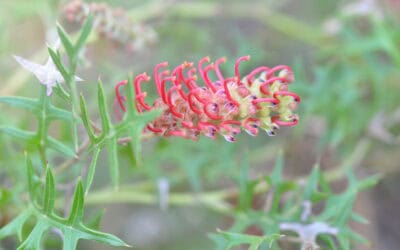
Grevillea microstegia (Mt Cassell Grevillea) is a critically endangered Victorian endemic found only in the northeastern part of the Grampians around Mt Cassell, accounting for the species’ common name. As part of the ‘Preventing the extinction of Victoria’s threatened flora’ project funded by the...
New Myrtle Rust Recovery Action Coordinator
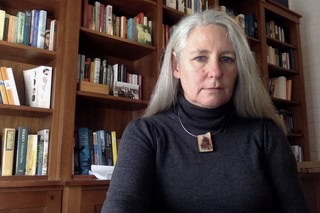
Pip Walsh joined ANPC late last year as the Myrtle Rust Recovery Action Coordinator. Pip has over 30 years' experience in the not-for-profit sector working in senior roles at WWF, Greening Australia and Bush Heritage. Since 2016 Pip has specialised in working with project teams to develop,...

New orchid species described through ANPC-supported research
New CSIRO research published in Phytotaxa investigating the Adelopetalum argyropus species complex has described 2 new species of orchid: A. howense and A. continentale. The ANPC supported fieldwork for the project in northeast NSW through San Diego Zoo Wildlife Alliance funding, resulting in the...

Preventing the extinction of the Buchan River grevillea in Victoria
As part of the The ‘Preventing the extinction of Victoria’s threatened flora’ project, horticulturists and scientist have been surveying for, collecting seed, and propagating the critically endangered Grevillea pachylostyla (Buchan River grevillea). These collections will form the basis of an...

Extended deadlines for Virtual and Field Trip registration for APCC14
We've extended the virtual registration deadline until the end of next week (11 October) for anyone who would still like to watch the APCC14 presentations streamed online. See here to register to attend virtually: https://www.anpc.asn.au/apcc14-virtual-registration-form/ We've also extended the...
APCC14 Registrations extended to 3 October!
Good news! Due to late demand we're extending our registration deadline for APCC14! You can now register right up until the end of Thursday of next week (3 October). Visit: https://www.anpc.asn.au/conferences-apcc14/ to learn more about the conference or view the draft program at:...
Events
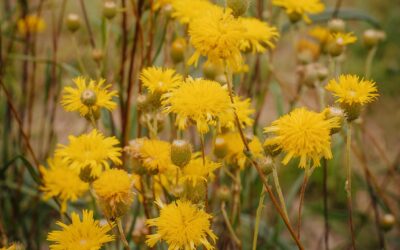
ANPC AGM – Wednesday 20 November 2024
The Annual General Meeting of the Australian Network for Plant Conservation Inc. (ANPC) will be held on Wednesday 20 November 2024, from 1:00 pm to 2:00 pm (Australian Eastern Daylight-Saving Time) in the Dickson Room, Australian National Botanic Gardens, Clunies Ross St, Acton, 2601 and via Zoom. The link to the paperwork including the draft Agenda and nomination form can be viewed and...
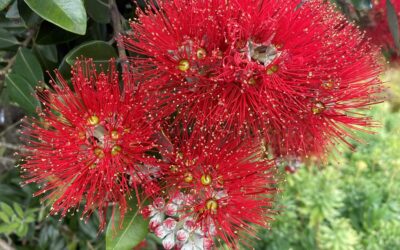
Myrtle Rust Management for Practitioners – Open Series
The next session will be held on Thursday 5 December 2024. Time: 2:00 – 3:00 PM Australian Eastern Daylight Savings Time (AEDT). Presenters: Emma Simpkins (Senior Regional Advisor Flora) and Rebekah Fuller (Senior Plant Pathogens Advisor) from Auckland Council. Title: 'Local government enabling community-led recovery of Myrtle Rust impacted species'. Emma and Rebekah will discuss the actions...
Extended deadlines for Virtual and Field Trip registration for APCC14
We've extended the virtual registration deadline until the end of next week (11 October) for anyone who would still like to watch the APCC14 presentations streamed online. See here to register to attend virtually: https://www.anpc.asn.au/apcc14-virtual-registration-form/ We've also extended the standalone registration option to attend one of the field trips on the 17th. You can find that...
What We Do
Network
Plant Conservation Australia links you to others active in plant conservation through this website and ANPC News.
Events
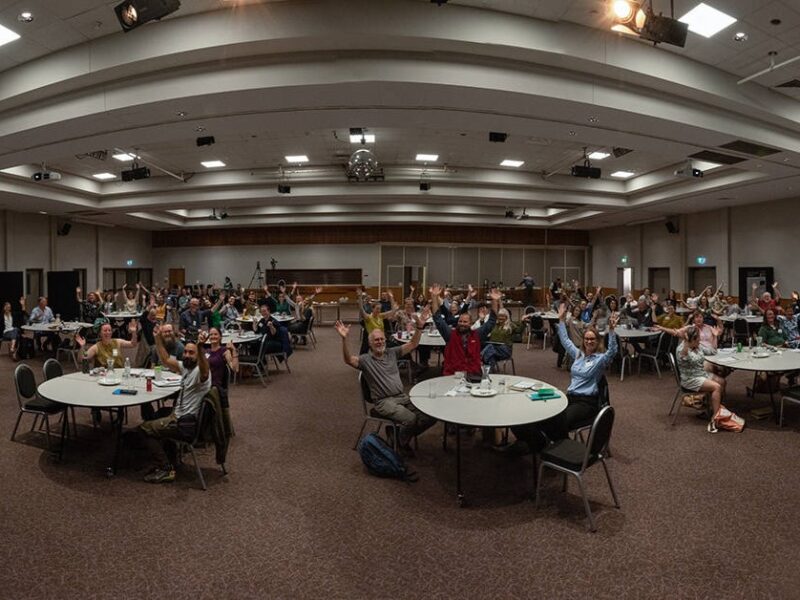
Plant Conservation Australia is a forum for the exchange of information and ideas.
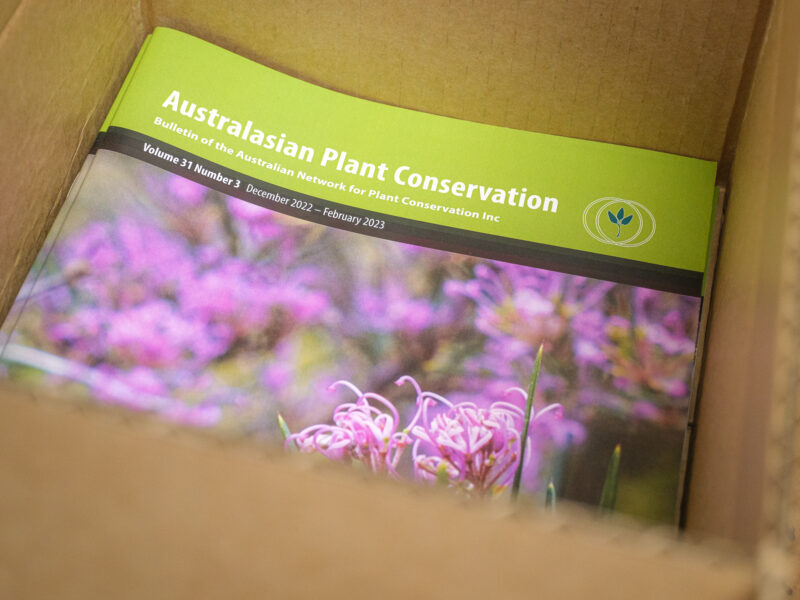
Publications
Plant Conservation Australia publishes findings from current research and on-ground practice in the quarterly bulletin Australasian Plant Conservation.
We also publish plant conservation techniques and guidelines. Click here to see them.
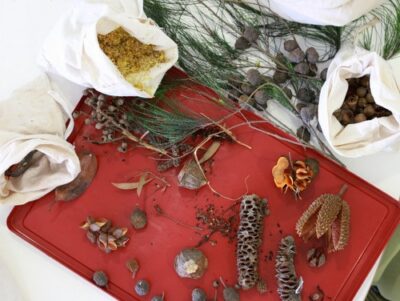
Education
Plant Conservation Australia holds workshops and courses in conservation and rehabilitation techniques.
Our website is a great resource for information on plant conservation. See more at our resources page.
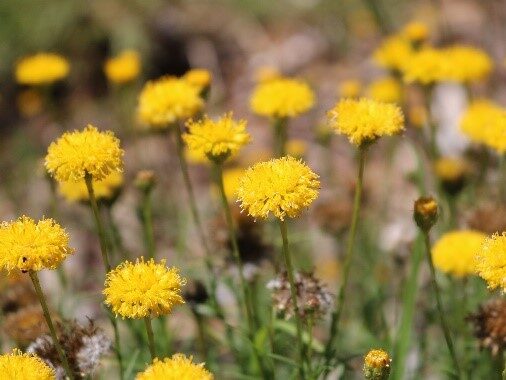
Ecology
Plant Conservation Australia promotes an ecological focus in on-ground conservation, rehabilitation and management of remnant vegetation, threatened plants and ecological communities.
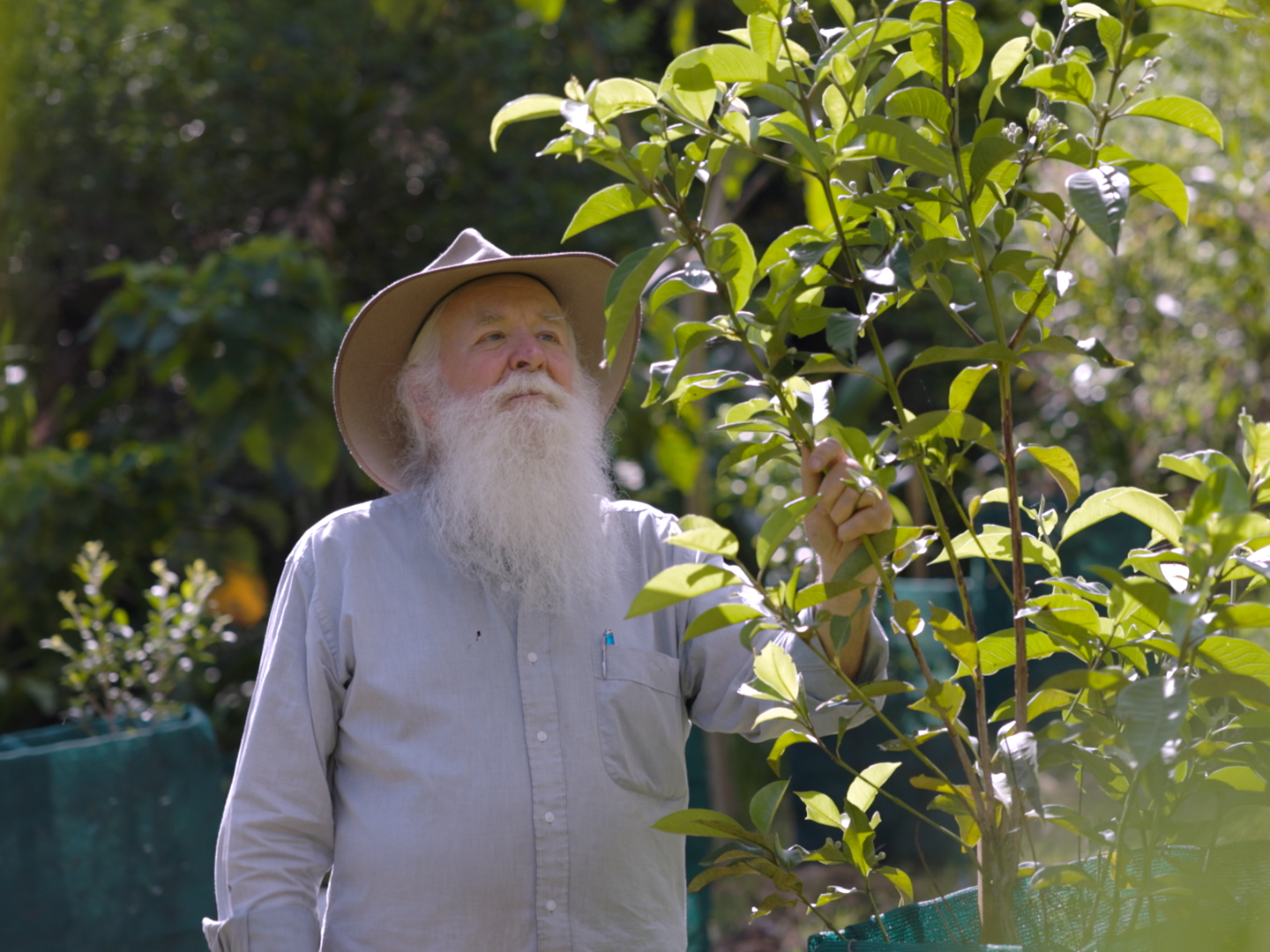
Action
Plant Conservation Australia leads and collaborates on projects for the conservation of Australia’s flora.
Help Us Grow!
Many of Australia’s native plants are threatened, more so since the Black Summer fires, and we need your help to promote and improve their conservation.
Donate to Plant Conservation Australia today and support our projects and networks of people working to conserve our precious native plants.
Join us!
Being a member of Plant Conservation Australia is one of the most solid contributions you can make to our conservation work. Members and member-organisations are the lifeblood of our network.
You will receive our quarterly bulletin Australasian Plant Conservation and discounts to our workshops and conferences!
About us
Plant Conservation Australia, through our legal entity the Australian Network for Plant Conservation Inc. (ANPC) is
- a not-for-profit organisation
- an incorporated body governed by a constitution
- listed on the Register for Environmental Organisations
- registered for Deductible Gift Recipient Status with the Australian Taxation Office
- endorsed as a Charitable Institution for charity tax concessions
How you can help
Download the ANPC Prospectus here! [PDF link]
Find out about
- What we do and why we do it
- Our capabilities
- How you can help – membership, sponsorships, donations, bequests, project support, collaboration, volunteering.
Please don’t hesitate to contact us if you would like to obtain a hard copy of the prospectus or to discuss the possibilities for your involvement.
Plant Conservation Australia acknowledges the Traditional Custodians of the lands and waters across Australia where we live, work, and carry out conservation. We pay our deep respects to Elders past and present, and to emerging leaders, who have cared for Country and native flora through countless generations. We recognise that Australia’s native plants are not only ecological treasures but are also integral to living, sovereign cultures that have thrived for tens of thousands of years. We are committed to listening, learning, and walking in respectful partnership with Aboriginal and Torres Strait Islander peoples—who have always been, and remain, the first scientists, ecologists, and custodians of this continent.