Plant Conservation Australia
The national network that links people, research and action in plant conservationLatest News

Save the Date! APCC14 is happening in October
Mark those calendars and keep the 13-17th October free because the ANPC will be holding the 14th Australasian Plant Conservation Conference (APCC14) in Toowoomba, Queensland. We're looking forward to seeing you all in the Garden City! Keep checking our newsletter and social media channels for...

Preventing the extinction of the Grampians Globe-pea in Victoria
Royal Botanic Gardens Victoria and La Trobe University scientists are working hard to protect the Critically Endangered Sphaerolobium acanthos (Grampians Globe-pea). Growing up to 1 m tall, this spiny shrub has vibrant flowers that are bright orange, but can range from yellow to red in colour....

Preventing the extinction of the Swamp Everlasting in Victoria
Xerochrysum palustre (The Swamp Everlasting) This beautiful golden everlasting daisy is endemic to south-eastern Australia (https://vicflora.rbg.vic.gov.au/flora/taxon/xerochrysum_palustre). It grows in seasonal or permanent wetlands and swamps scattered from near Portland in western Victoria to...

President’s Report for 2023 now available
The President’s Report for 2023 from outgoing President Tony Auld is now available to view online. Contained within are details of all of the significant projects which have been undertaken in collaboration with our partner organisations this year, including: Our work on Myrtle Rust, particularly...

Introducing the new APC Editor Alyssa Weinstein!
The ANPC is delighted to announce Alyssa Weinstein as the new editor of Australasian Plant Conservation. Alyssa has great enthusiasm for plants, science communication, and bringing science, government, industry, and community together to effectively conserve biodiversity. These interests have led...

Preventing the extinction of the Grampians Bitter-Pea in Victoria
While commonly known as the Grampians Bitter-Pea, Daviesia laevis is not only found in the Grampians/Gariwerd, with small populations also known from nearby ranges Mt Langi Ghiran, Mt Cole/Buangor and the Black Range. This large shrub has quite large, leaf-like phyllodes that are very similar to...
Events
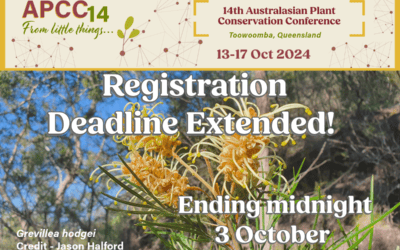
APCC14 Registrations extended to 3 October!
Good news! Due to late demand we're extending our registration deadline for APCC14! You can now register right up until the end of Thursday of next week (3 October). Visit: https://www.anpc.asn.au/conferences-apcc14/ to learn more about the conference or view the draft program at: https://www.anpc.asn.au/conferences-apcc14/apcc14-program/ We have a wonderful line up of speakers which you can...

QTPN and Native Plants Capricornia Survey Training Workshop
QTPN project manager Paul Donatiu will be conducting a Survey Training Workshop with Native Plants Capricornia on Wednesday 4th September at Capricorn Caves (near Rockhampton) QLD from 10am-3pm. Come along and learn all about the tools and techniques for conducting a plant survey. Details below:
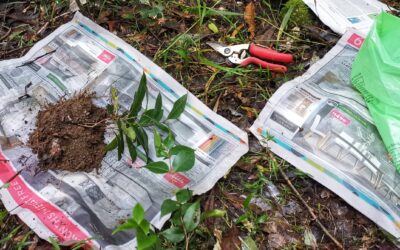
Myrtle Rust practitioner series #3 – “Monitoring and Collecting from Wild Populations of Myrtle Rust Susceptible Species“
The third session of the Myrtle Rust Management for Practitioners - Open Series on 29 August 2024 will be on “Monitoring and Collecting from Wild Populations of Myrtle Rust Susceptible Species“. Craig Stehn from NSW DCCEEW will share his experience in surveying, monitoring and collecting from wild populations of Myrtle Rust impacted species. This series is exclusively focused on practical...
What We Do
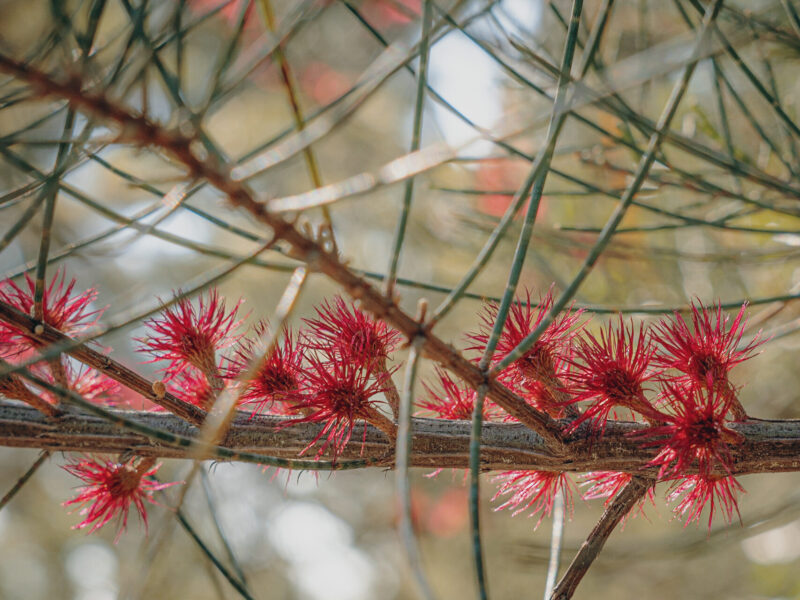
Network
Plant Conservation Australia links you to others active in plant conservation through this website and ANPC News.
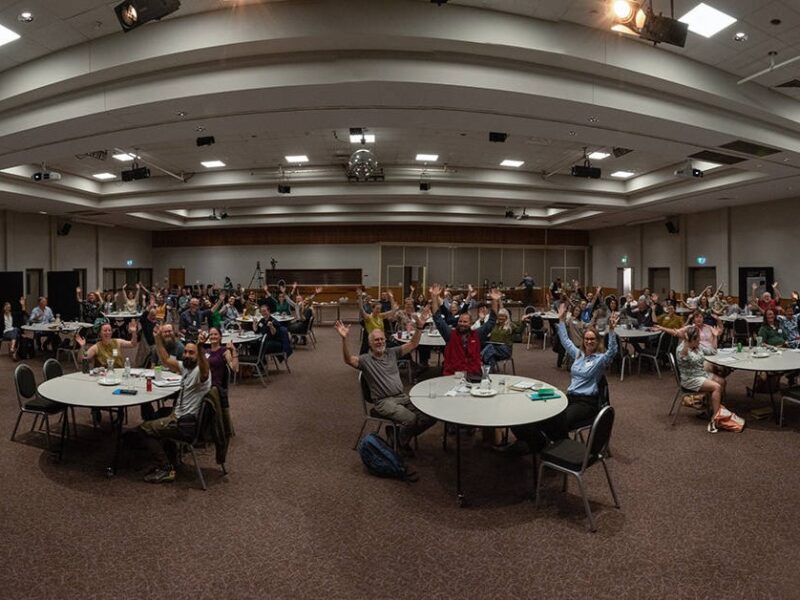
Events
Plant Conservation Australia is a forum for the exchange of information and ideas.
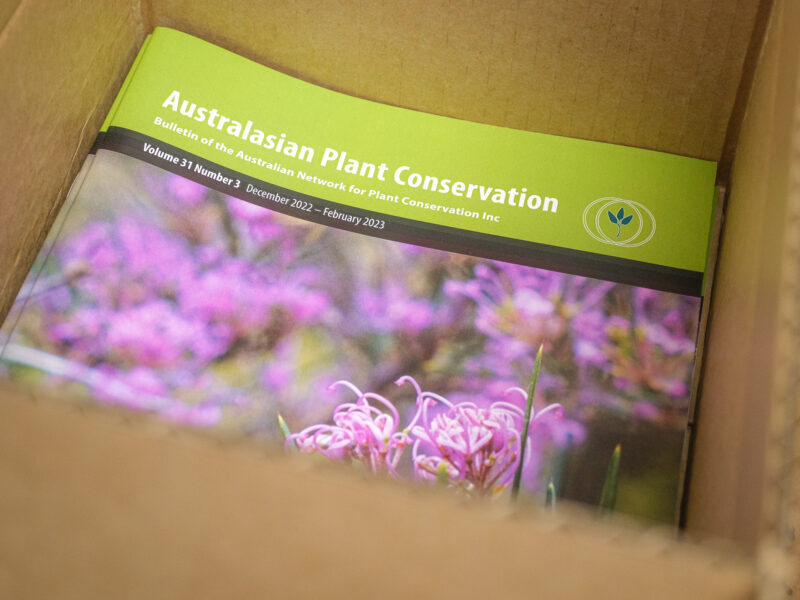
Publications
Plant Conservation Australia publishes findings from current research and on-ground practice in the quarterly bulletin Australasian Plant Conservation.
We also publish plant conservation techniques and guidelines. Click here to see them.
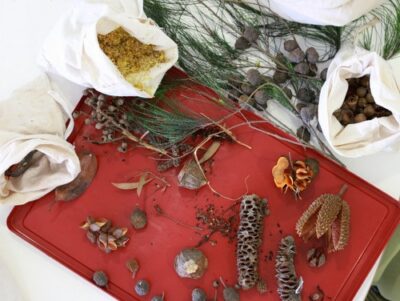
Education
Plant Conservation Australia holds workshops and courses in conservation and rehabilitation techniques.
Our website is a great resource for information on plant conservation. See more at our resources page.
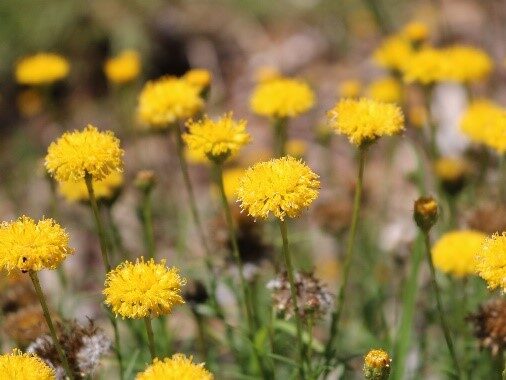
Ecology
Plant Conservation Australia promotes an ecological focus in on-ground conservation, rehabilitation and management of remnant vegetation, threatened plants and ecological communities.
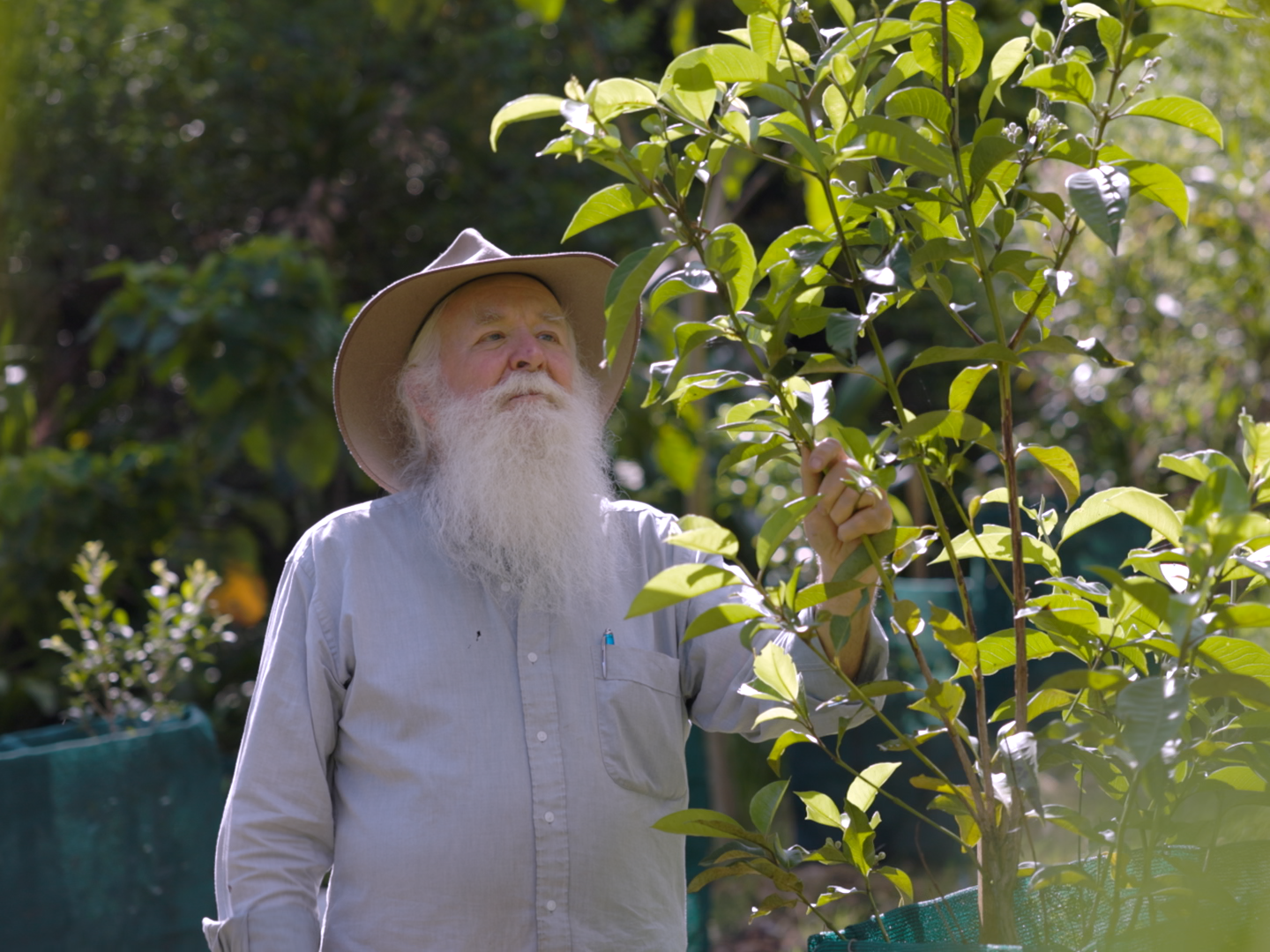
Action
Plant Conservation Australia leads and collaborates on projects for the conservation of Australia’s flora.
Help Us Grow!
Many of Australia’s native plants are threatened, more so since the Black Summer fires, and we need your help to promote and improve their conservation.
Donate to Plant Conservation Australia today and support our projects and networks of people working to conserve our precious native plants.
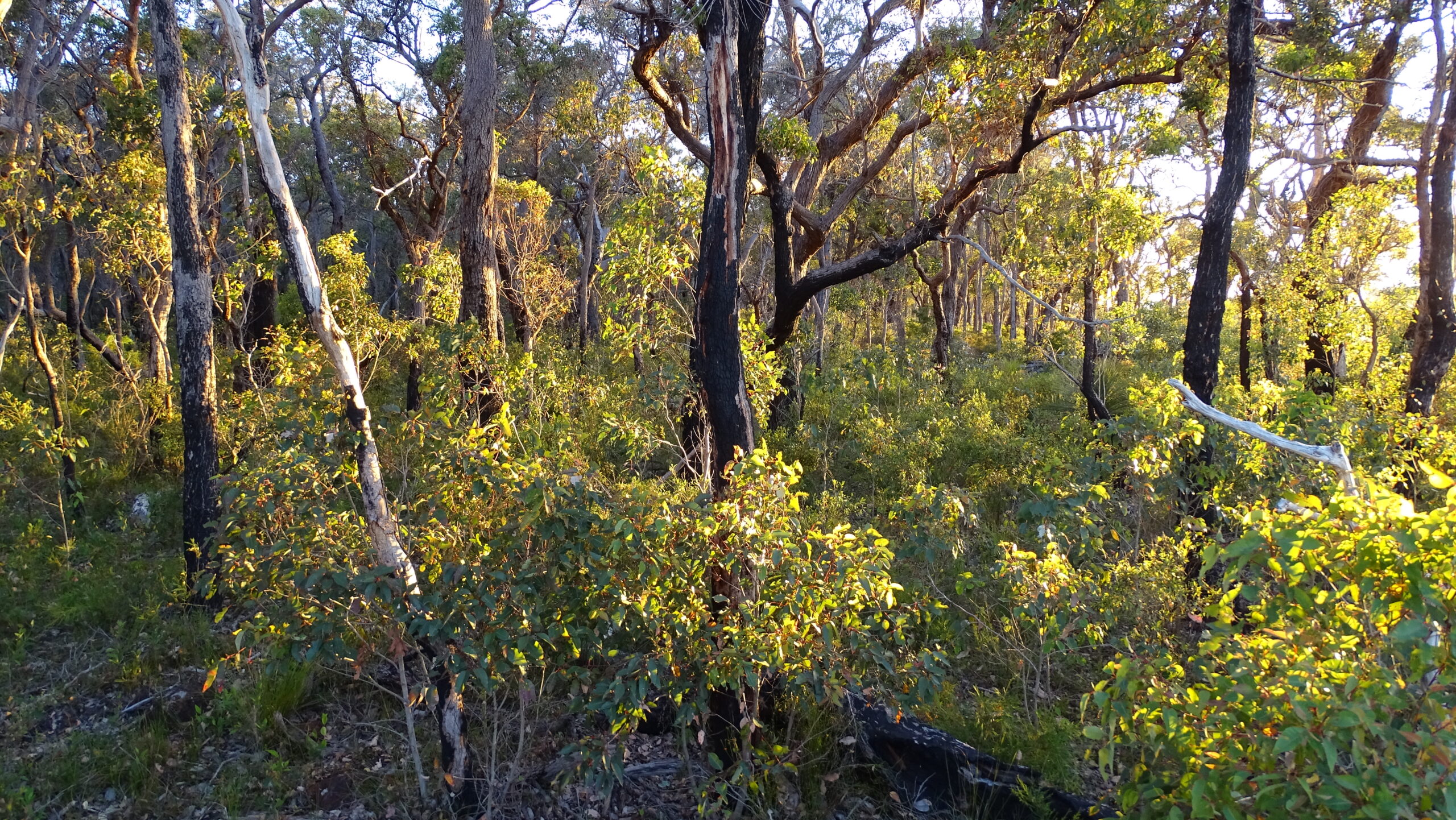
Join us!
Being a member of Plant Conservation Australia is one of the most solid contributions you can make to our conservation work. Members and member-organisations are the lifeblood of our network.
You will receive our quarterly bulletin Australasian Plant Conservation and discounts to our workshops and conferences!
About us
Plant Conservation Australia, through our legal entity the Australian Network for Plant Conservation Inc. (ANPC) is
- a not-for-profit organisation
- an incorporated body governed by a constitution
- listed on the Register for Environmental Organisations
- registered for Deductible Gift Recipient Status with the Australian Taxation Office
- endorsed as a Charitable Institution for charity tax concessions
How you can help
Download the ANPC Prospectus here! [PDF link]
Find out about
- What we do and why we do it
- Our capabilities
- How you can help – membership, sponsorships, donations, bequests, project support, collaboration, volunteering.
Please don’t hesitate to contact us if you would like to obtain a hard copy of the prospectus or to discuss the possibilities for your involvement.
Plant Conservation Australia acknowledges the Traditional Custodians of the lands and waters across Australia where we live, work, and carry out conservation. We pay our deep respects to Elders past and present, and to emerging leaders, who have cared for Country and native flora through countless generations. We recognise that Australia’s native plants are not only ecological treasures but are also integral to living, sovereign cultures that have thrived for tens of thousands of years. We are committed to listening, learning, and walking in respectful partnership with Aboriginal and Torres Strait Islander peoples—who have always been, and remain, the first scientists, ecologists, and custodians of this continent.