Mar 24, 2020 | News
Would you like to use your financial/accounting skills to help conserve Australia’s plants that have been through fires, floods, hail and more this summer? Or know someone who would? The ANPC is looking for a volunteer to nominate as Treasurer to assist in our efforts to conserve our amazing biodiversity. This is also a great opportunity to gain Executive Not-for-profit Committee experience. The role of Treasurer is broadly to manage the ANPC’s financial affairs, and attend and present financial reports to the ANPC’s bi-monthly Management Committee meetings and Annual General Meetings. Desirable knowledge, skills and experience: a sound familiarity with financial record keeping and a willingness to learn the basics of Xero financial software. Day to day financial management is undertaken by ANPC office staff. Location in or near Canberra is an advantage but not essential. Click here for more information.
Feb 21, 2020 | News
In addition to the enormous human, social, economic and native animal impacts of the recent catastrophic bushfires, the impacts on our unique plants and ecological communities will also be huge. Although most Australian flora have evolved to cope with fire, recovering by re-sprouting or seed germination, the drought combined with severe and too frequent fire will retard recovery. Some plants and ecological communities that have been burnt, including many rainforest species, are sensitive to fire and may struggle to recover. At this stage, while many threatened plants have had populations that were burnt, we don’t know how well they will recover. Encouraging some native flora to bounce back will require targeted funding and actions to conserve and restore habitats and ecological communities, including control of weeds and feral grazers, and ensuring we have or develop ex situ seed banking for as many threatened species as possible. Resilience of many native plants will depend on allowing them enough time to replenish their natural seed banks. We will also need comprehensive monitoring of fire affected landscapes, starting immediately and continuing from after the first rains, for up to two years, to detect which species are returning, and which are not.
The current fires are unprecedented in extent and severity and have burnt over many areas where the plants had not yet recovered from previous fires. In these cases, assessing natural plant recovery may identify the need for cautious and well-planned human intervention. Areas/species likely to require assistance include threatened species, particularly those known from only one or to populations. In these cases, assessing the natural plant recovery, as well as assessing risks to recovery (grazers and weeds) will inform the development of a restoration plan, and identify which native species are not returning. The ANPC’s Guidelines for the Translocation of Threatened Plants in Australia will be useful for planning recovery of threatened plants. Post-fire seed collection should be minimal to allow species to replenish natural seed banks. Once that has happened, any seed collection, storage, propagation and planting should follow the ANPC’s Plant Germplasm Conservation in Australia and the soon to be re-released FloraBank Guidelines.
In the January 2020 issue of ANPC News, we provide some information and links on what you can do to help post-fire recovery of plants and ecological communities, and how you can start sharing your knowledge on post-fire responses. We also provide links to a couple of media items we have published recently, as well as many other bushfire related articles. Hopefully, we can all work together at this difficult time to conserve our plant biodiversity and be better prepared for plant recovery into the future.
In addition, here’s some ANPC Plants and Fire fact sheets I have put together:
How plants cope with fire
What is Fire? Fire and its components
Feb 21, 2020 | News
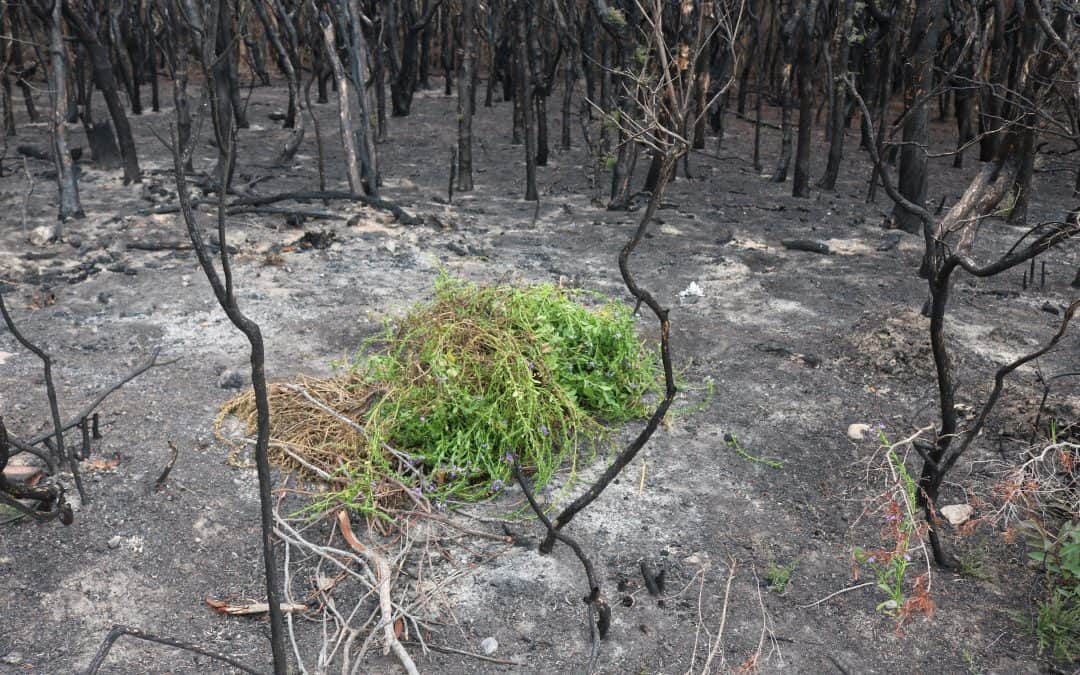
We are putting together some resource pages on plants and fire after the devastating 2019/20 Australian bushfires. Find out how plants and ecological communities recover from fire and what we can all do to help, including not dumping garden waste in burnt areas like the photo below. Help us get the word out there! Weeds are one of the biggest threats to plant recovery at this time. Read more.
- Stay out of recently burnt areas until it is safe – trees and branches may continue to fall for days, weeks and months after the fire has passed.
- When it’s safe to go in the bush, assess the site. Keep to formed tracks and do not walk in areas where plants are regrowing and seedlings emerging as this can damage their recovery and lead to soil erosion.
- In the short, medium and long term, carefully assess biodiversity loss and natural plant recovery after the fires, as some species may disappear, but many have mechanisms to cope with fire. Use standardised monitoring techniques so different sites can be compared.
- Identify threats to plant recovery such as weeds, grazers and disease.
- Use the assessment results to develop a restoration plan. Implement your plan, keep good records about what you do, monitor your site to determine the effectiveness of any restoration actions.
- Prioritise assisted natural regeneration actions where necessary within burnt bushland, and at its edges and in unburnt refugia, to control feral predators, herbivores and invasive plants. Planting is rarely needed.
- Work with others – join a local bushcare volunteer group, call your local council or local land/catchment management group, collaborate with your local university, join local and national networks.
- Learn, communicate. Attending training courses, talk to others in your area, read books, apply for funding if you need assistance. Share your information with others.
- Continue to protect burnt areas, as they need time to recover, and unburnt areas too, as these may act as refuges for biodiversity – from which species can repopulate burnt areas.
- Don’t plant or seed into burnt and naturally regenerating areas in the period immediately after the fire – wait to see what regenerates in the medium to long term and seek expert advice, before deciding what interventions are needed.
- Don’t collect seeds in burnt areas
- Don’t take too much seed from unburnt areas.
- Don’t clear “dead” plants which may resprout and provide shelter for remaining wildlife.
- Don’t dump garden waste or other organic material in the burnt areas. This can do more harm than good
Feb 21, 2020 | News
Following the bushfires affecting large parts of Australia in 2019 and 2020, APC is seeking articles describing plant and ecological communities responses to fire (e.g., fire-triggered seed germination, re-sprouting, structural and floristic community changes) and, where applicable, the impact of multiple fires and differing fire intensities, frequencies or seasons on plants and ecological communities. First deadline is 1 February, second deadline 1 May and the third 1 August 2020. Click here for more information.
Feb 21, 2020 | News
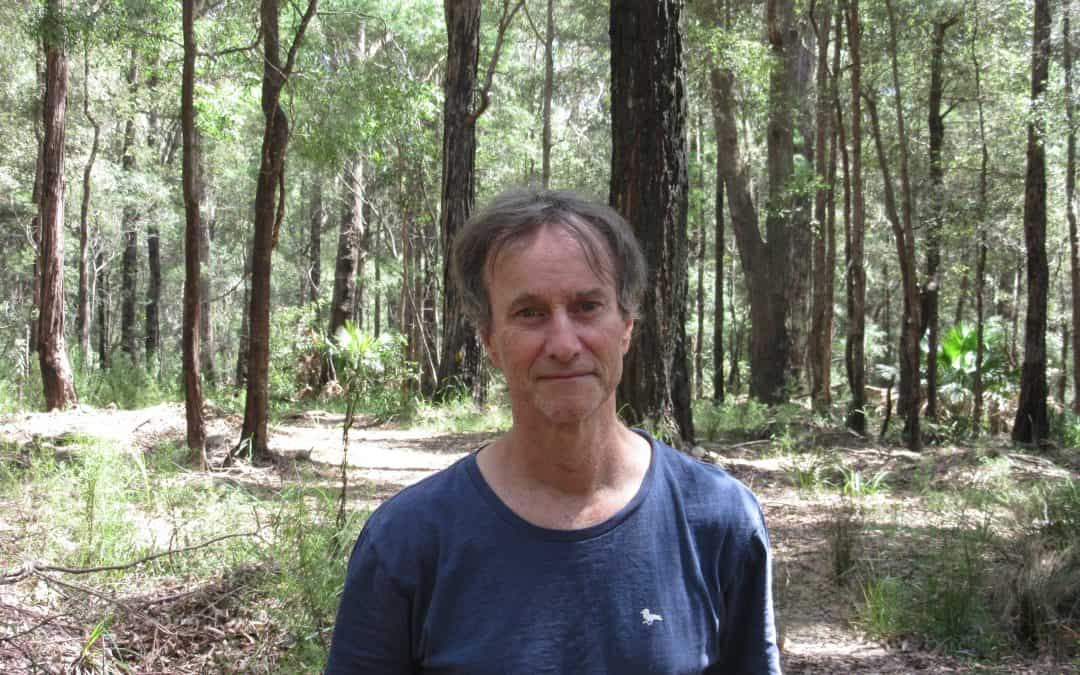
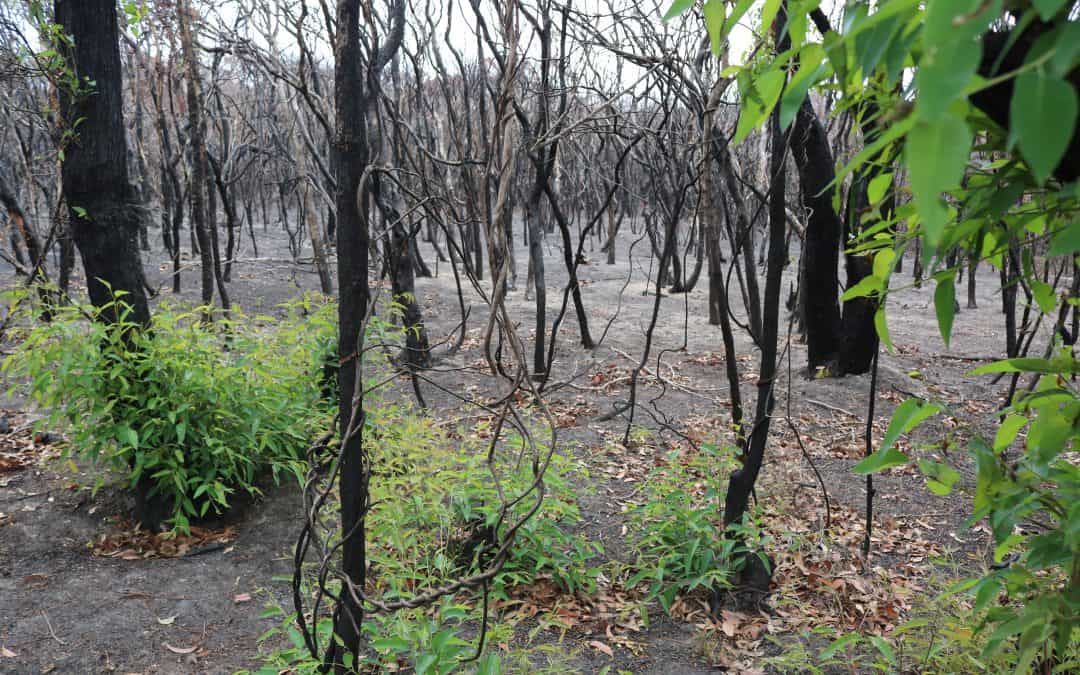
ANPC Project Manager Lucy Commander and APC Editor Heidi Zimmer on restoration following bushfires. In a fire-blackened landscape, signs of life are everywhere. A riot of red and green leaves erupt from an otherwise dead-looking tree trunk, and the beginnings of wildflowers and grasses peek from the crunchy charcoal below. Much Australian flora has evolved to cope with fire, recovering by re-sprouting or setting seed. However, some plants are sensitive to fire, especially when fires are frequent or intense, and these species need our help to recover. Encouraging native flora to bounce back from these unprecedented fires requires targeted funding and actions to conserve and restore plants and ecological communities, including seed banking. Read more.
Feb 21, 2020 | News
Green shoots can already be seen among the black scorched earth, but experts are cautious about just how well Australia’s landscapes will regenerate after the fires that have ripped through millions of hectares across the country. There is also division on what humans could or should do to assist ecosystems as they recover in a period of drought and climate change. Fire is not always a negative for Australia’s landscapes…But the strain put on many areas of Australia’s ecosystems by prolonged drought, and repeated fires, mean experts say just how parts of the bush will regenerate are yet to be seen….Action also needs to be taken to prevent invasive plants and feral animals like rabbits, goats and horses from impeding recovery, says Lucy Commander, project manager at the Australian Network for Plant Conservation. Dr Commander has also called for the government’s $50 million fund for wildlife and plant recovery to be spent strategically, instead of rushing in. Read more.