Feb 21, 2020 | News
Following the bushfires affecting large parts of Australia in 2019 and 2020, APC is seeking articles describing plant and ecological communities responses to fire (e.g., fire-triggered seed germination, re-sprouting, structural and floristic community changes) and, where applicable, the impact of multiple fires and differing fire intensities, frequencies or seasons on plants and ecological communities. First deadline is 1 February, second deadline 1 May and the third 1 August 2020. Click here for more information.
Feb 21, 2020 | News
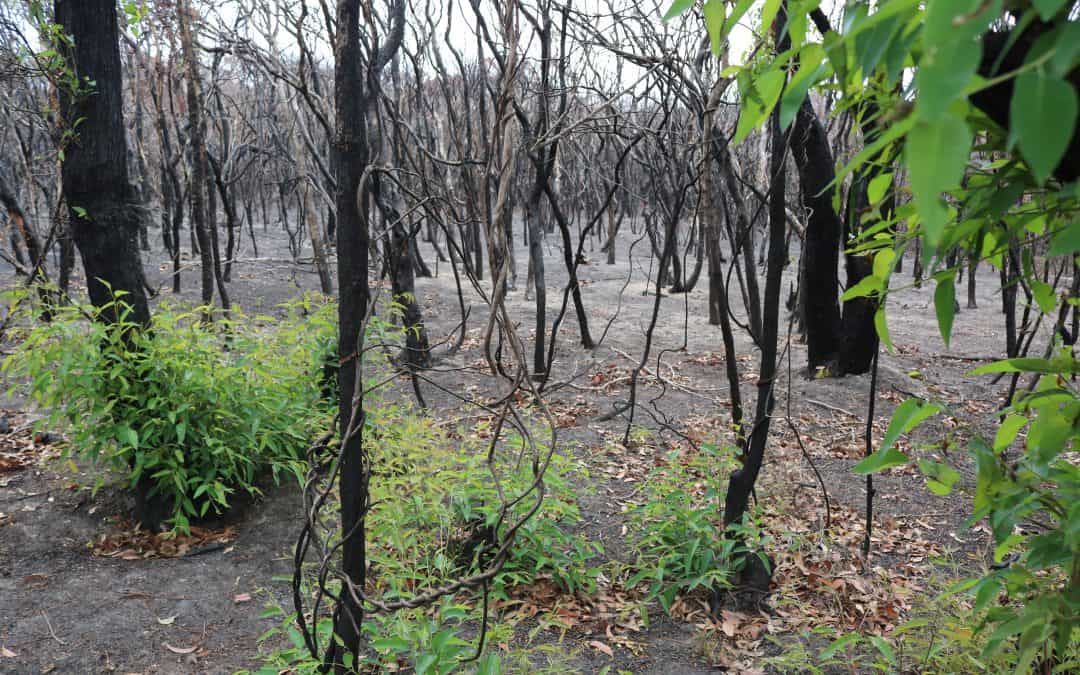
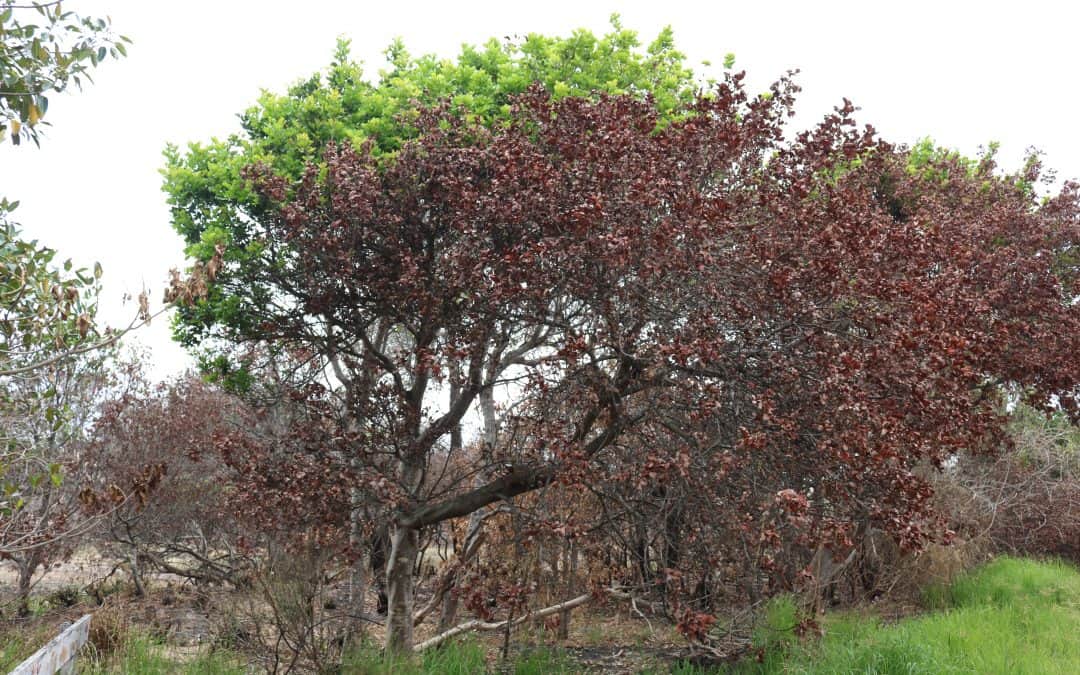
ANPC Project Manager Lucy Commander and APC Editor Heidi Zimmer on restoration following bushfires. In a fire-blackened landscape, signs of life are everywhere. A riot of red and green leaves erupt from an otherwise dead-looking tree trunk, and the beginnings of wildflowers and grasses peek from the crunchy charcoal below. Much Australian flora has evolved to cope with fire, recovering by re-sprouting or setting seed. However, some plants are sensitive to fire, especially when fires are frequent or intense, and these species need our help to recover. Encouraging native flora to bounce back from these unprecedented fires requires targeted funding and actions to conserve and restore plants and ecological communities, including seed banking. Read more.
Feb 21, 2020 | News
Green shoots can already be seen among the black scorched earth, but experts are cautious about just how well Australia’s landscapes will regenerate after the fires that have ripped through millions of hectares across the country. There is also division on what humans could or should do to assist ecosystems as they recover in a period of drought and climate change. Fire is not always a negative for Australia’s landscapes…But the strain put on many areas of Australia’s ecosystems by prolonged drought, and repeated fires, mean experts say just how parts of the bush will regenerate are yet to be seen….Action also needs to be taken to prevent invasive plants and feral animals like rabbits, goats and horses from impeding recovery, says Lucy Commander, project manager at the Australian Network for Plant Conservation. Dr Commander has also called for the government’s $50 million fund for wildlife and plant recovery to be spent strategically, instead of rushing in. Read more.
Jan 13, 2020 | News
The ANPC is extremely excited to announce that we have received an Environment and Conservation grant from The Ian Potter Foundation to review and update the ANPC’s Germplasm Guidelines. Called ‘Conserving our national plant treasures: guidelines for collecting, storing and growing Australian plants for restoration’, this project will fund the comprehensive update of one of our flagship publications. The Germplasm Guidelines are the definitive Australian standard for native seed and regenerative plant material collection, storage and use, last being published in 2009. Since that time, seed biology research has progressed significantly and to ensure that the latest information is passed onto practitioners and land managers, we will bring together leading experts in seed biology research and practice from across Australia to review and rewrite the Guidelines. The project will incorporate updated scientific knowledge to ensure Australia’s seed sector maintains the necessary skills and knowledge required. Read more.