May 20, 2020 | News, Uncategorized
Listen here to Paul Gibson Roy being interviewed by David Barr from Sydney’s Eastside89.7FM on 19 May 2020.
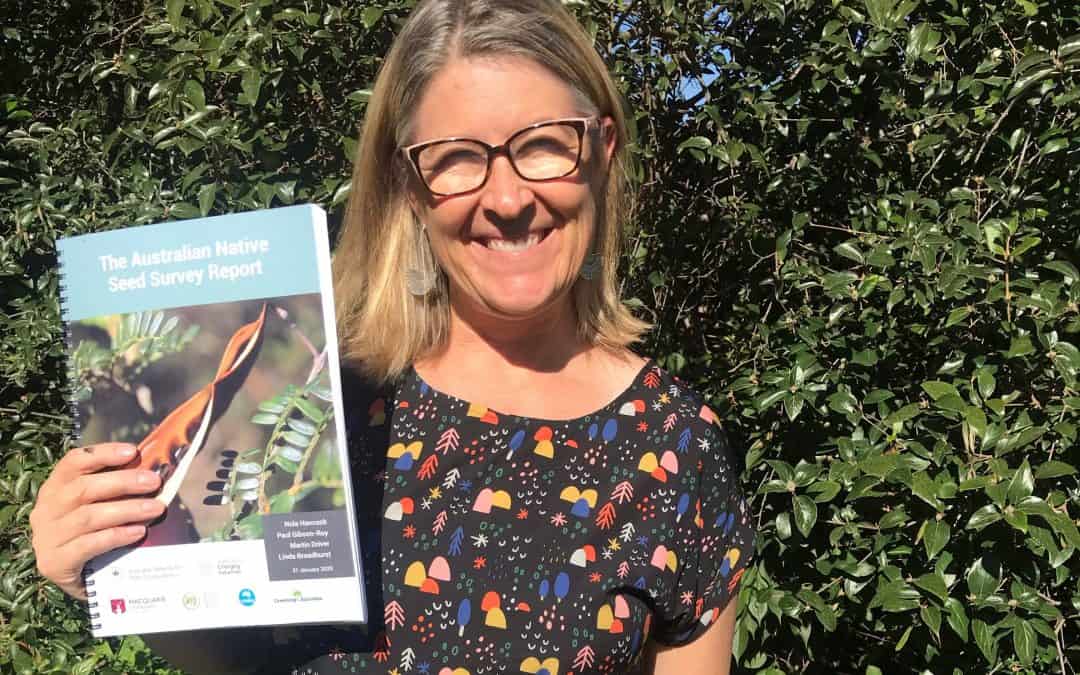
Dr Paul Gibson-Roy was one of the authors of the ANPC’s recently released The Australian Native Seed Survey Report
The report details the full results of a national survey capturing the behaviours and views of a wide range of native seed sector participants and has fed into the development and implementation of the Healthy Seeds project.
Jun 3, 2020 | News
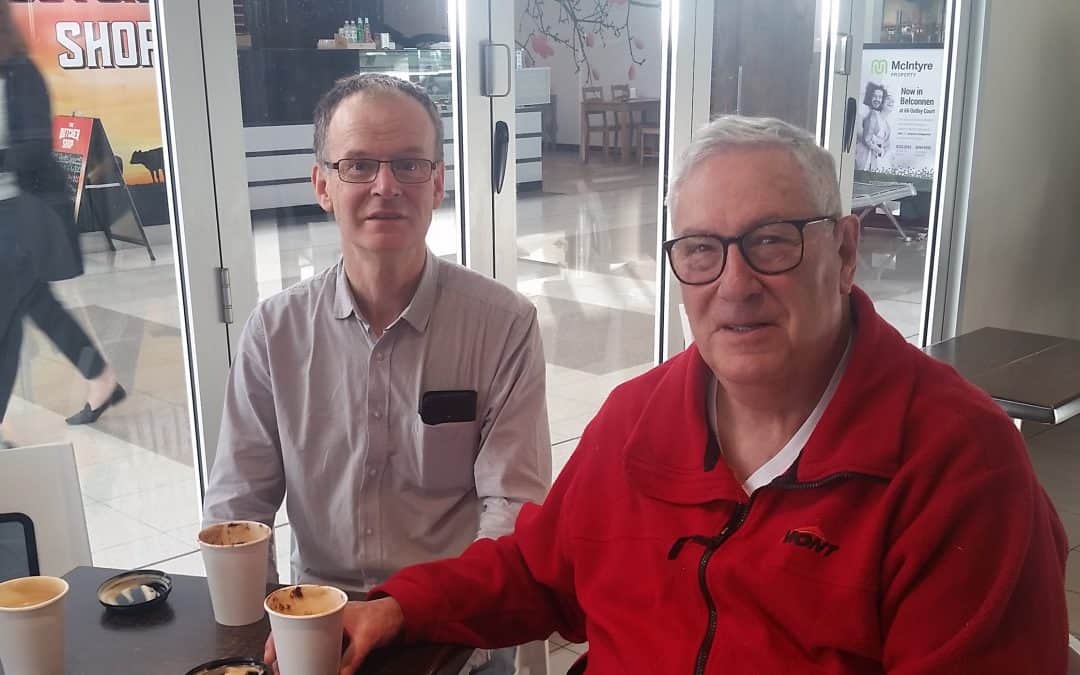
The ANPC thanks all our volunteers, including our Bookkeeper Robert Hawes (left), who works in our head office one day a week, and our new Treasurer John Grunberg. We couldn’t help save our plants without you!
May 20, 2020 | News, Uncategorized
The second independent review of the EPBC Act commenced on 29 October 2019. The review will be led by Professor Graeme Samuel AC, supported by a panel of experts. A report will be presented to the Minister for the Environment within 12 months of commencement of the review. Download the ANPC’s submission here [PDF link]
Apr 21, 2020 | News
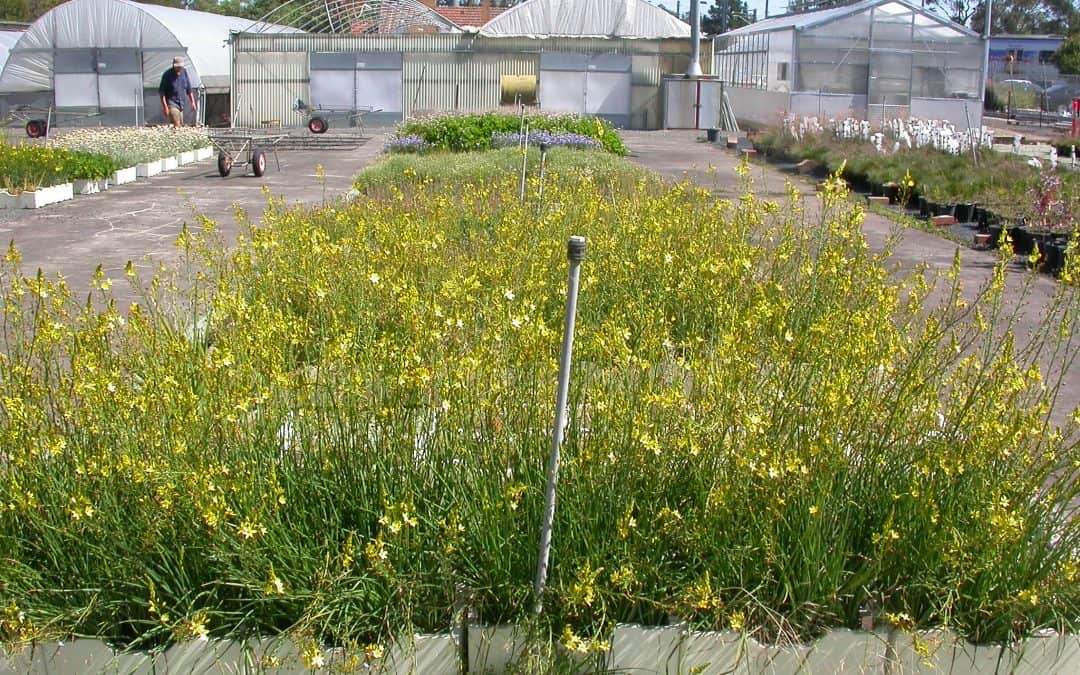
The Australian Native Seed Survey Report has been launched by the Threatened Species Commissioner Dr Sally Box. Read the Media Release here. The report details the full results of the national survey capturing the behaviours and views of a wide range of participants in the native seed sector – which the authors say are not all encouraging. ‘Worryingly, the report highlights the concerns of the sector that future demand for seed will be difficult to meet from the wild’ said Martin Driver from the ANPC. ‘This is due to the high costs of seed collection and the lack of seed from a broad range of the species that are critical for restoration. The recent bushfires have made this situation worse’. Seed production of native seed offers some hope, but currently lacks the capacity to meet demand. ‘Seed production areas (SPAs) are an increasingly important supplier of seed for restoration, landscaping and bush food markets’ said Dr Paul Gibson-Roy from Kalbar Resources. ‘SPAs are locations where we cultivate native species for their seeds, like agricultural crops. They can produce seed in higher quantities and quality that is much easier to collect than in the wild. Their continued development will be critical to meeting seed needs and preserving wild populations’. Read more and download the Report here.
Apr 21, 2020 | News
As part of the Healthy Seeds project, an update of the Florabank Guidelines has commenced to ensure practitioners are aware of, have access to, and are using up-to-date science and guidance materials for best-practice native seed management in ecological restoration. Listen to ANPC Project Manager Lucy Commander’s presentation here on the update of the Florabank Guidelines (which was to be presented at the postponed Australasian Seed Science Conference in Canberra in April 2020).
Apr 21, 2020 | News
The publication Plant Germplasm Conservation in Australia – strategies and guidelines for developing, managing and utilising ex situ collections (known as the Germplasm Guidelines) is currently being revised with grant funding from The Ian Potter Foundation. The updated Germplasm Guidelines will complement the recent revision of the Guidelines for Translocation of Threatened Plants in Australia (2018) and the current review of the Florabank Guidelines, a component of the Healthy Seeds Project (in prep.). The update is being led by ANPC Project Manager Dr Amelia Martyn Yenson. A steering committee composed of ANPC, CSIRO, Australian Seed Bank Partnership, Australian Grains Genebank, Royal Botanic Garden Sydney, Australian National Botanic Gardens, Royal Botanic Gardens Victoria, Australian Tree Seed Centre, Botanic Gardens Australia and New Zealand and NSW Dept of Planning, Industry and Environment representatives has been formed to oversee the project. We are currently inviting potential chapter authors and reviewers for the publication. Read more.